🏛
Explore Trastevere's monuments and local tips insideRioneThe Living Map of Rome
Open the interactive guide
Rione — explore Rome's rioni
ROME · LIVING RIONI

Experience Roman life like Romans do. Discover the rioni.

Uncover the city’s living history. Rione maps Rome’s ancient quarters dynamically — unlocking subterranean layers, hidden stories and local secrets right where you stand.

Open the free Trastevere guide →

Inside the Rione app

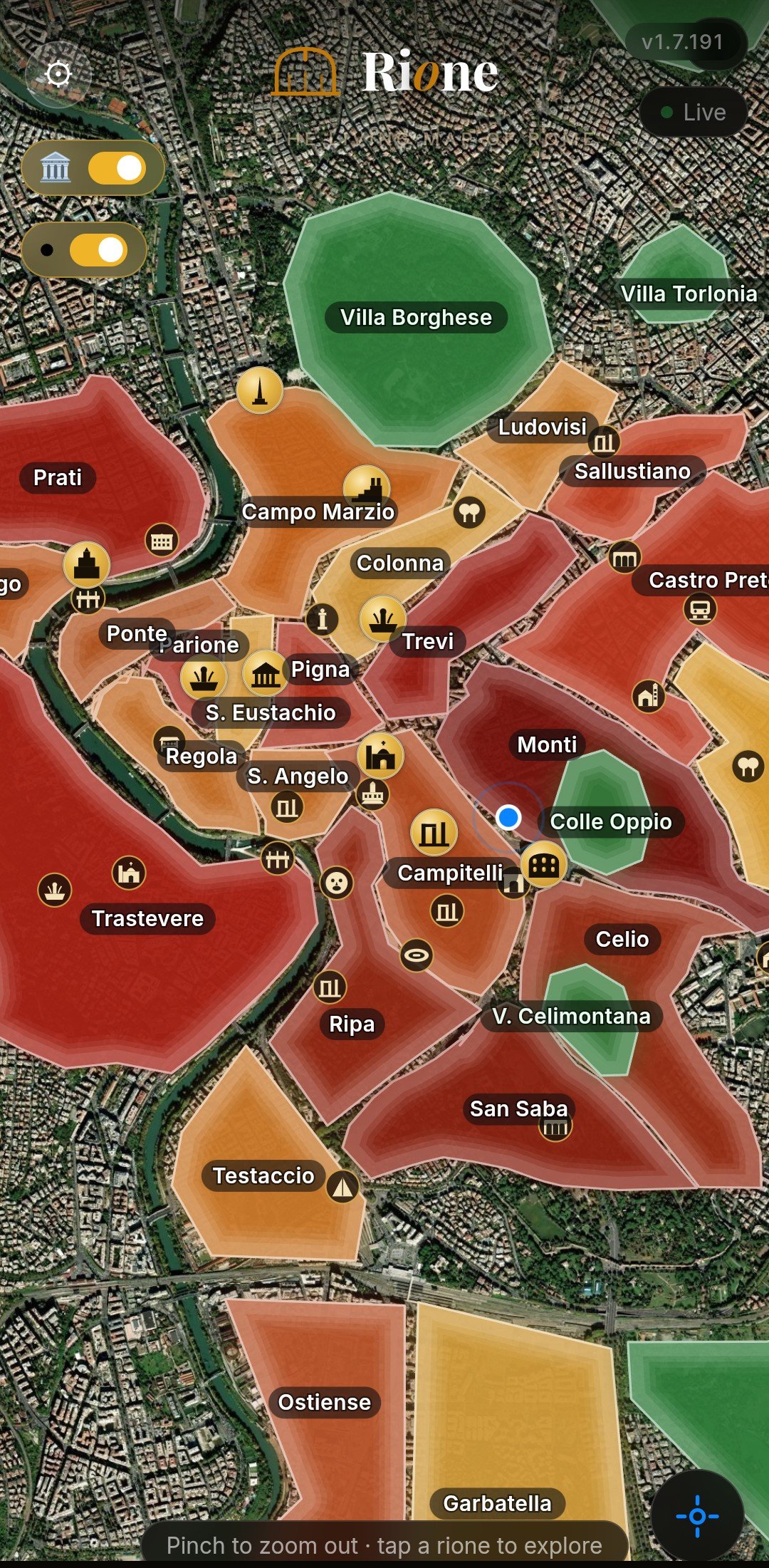
Interactive rioni map of Rome
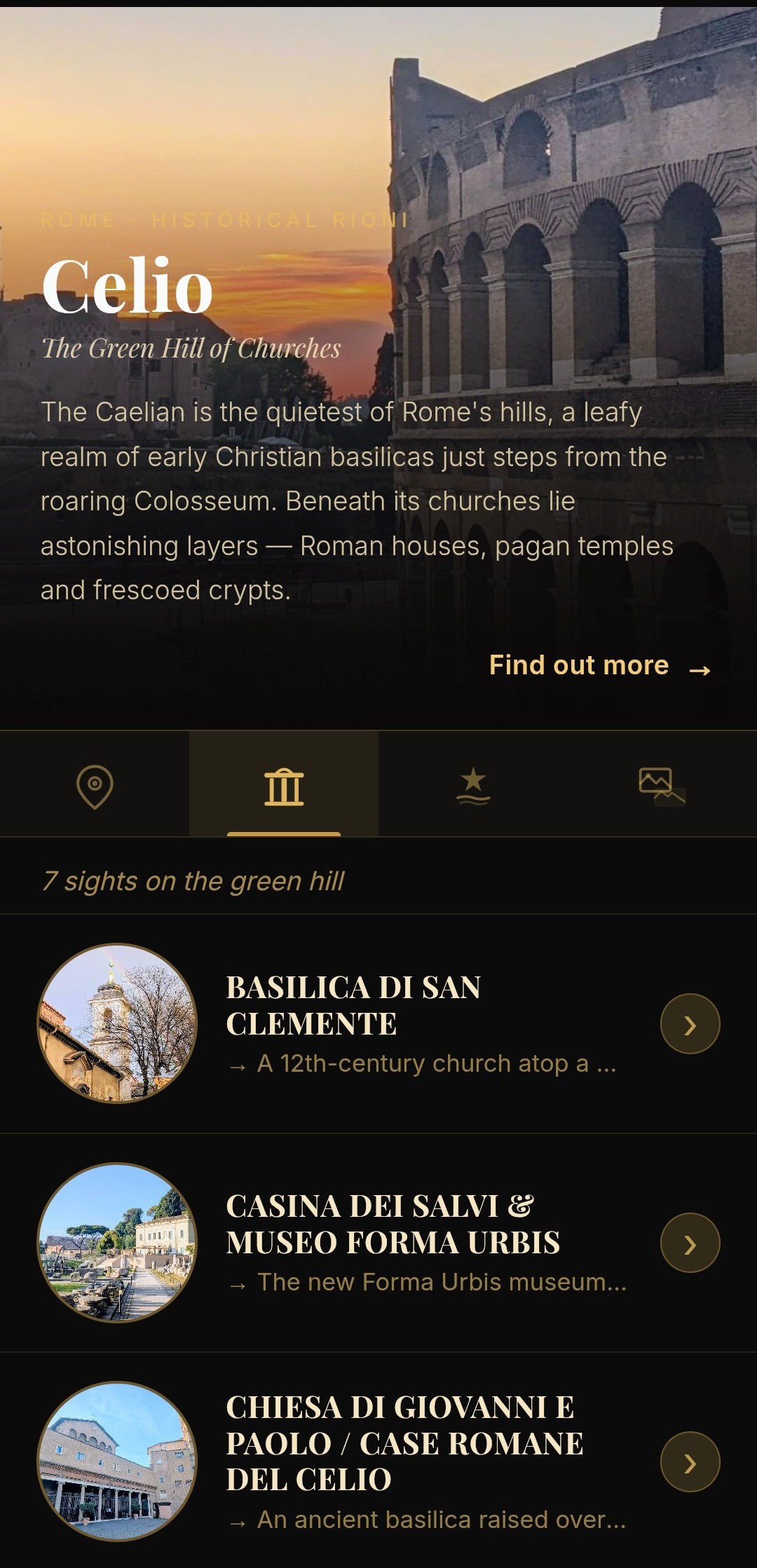
Rione guide with monuments and history

Custom rioni mapping

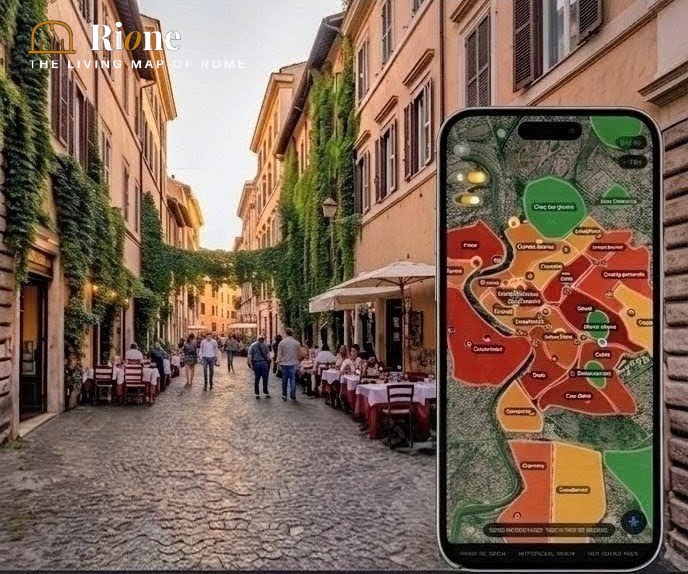
Dynamic, interactive boundaries of all of Rome’s historical rioni, colour-coded and tappable.

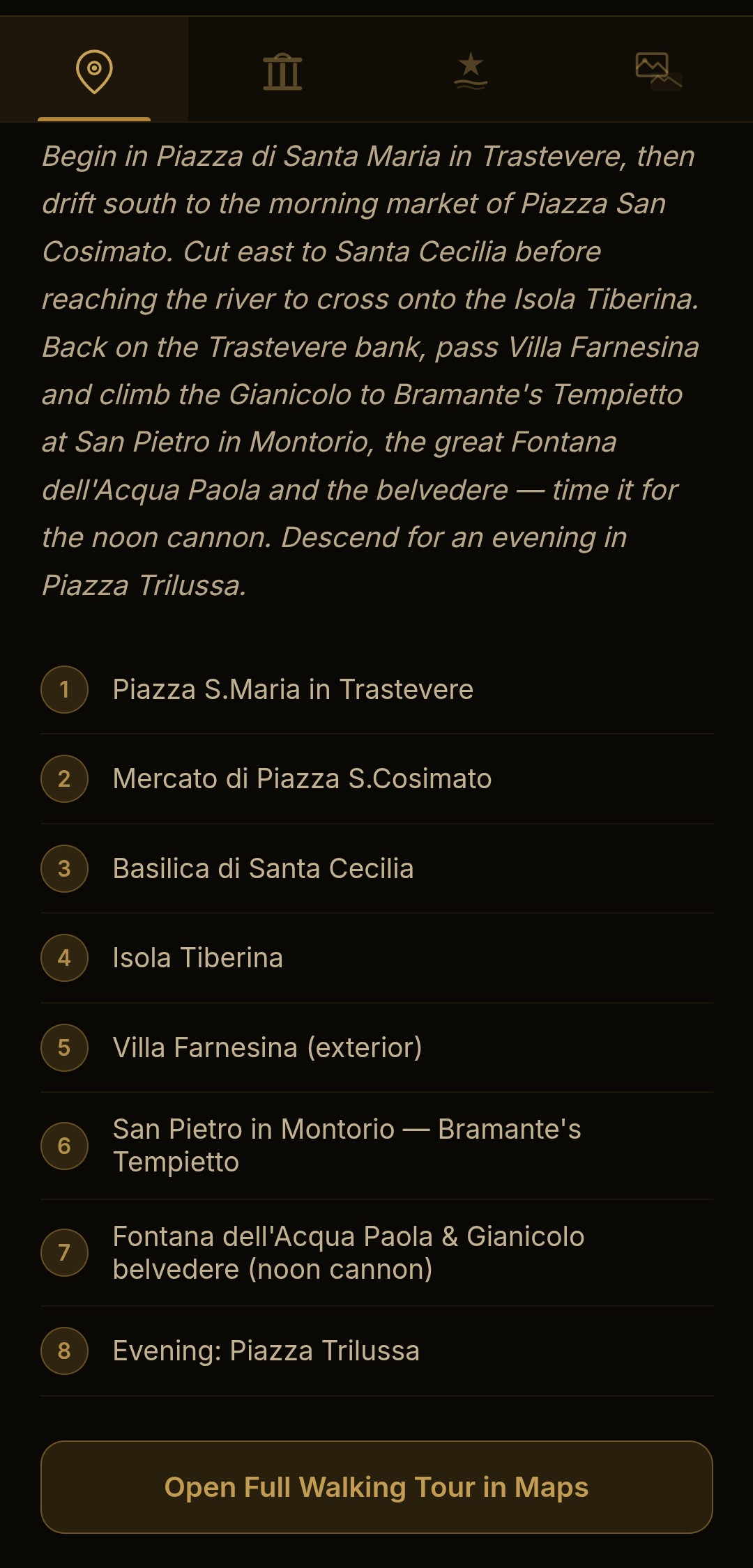
GPS walking tour route
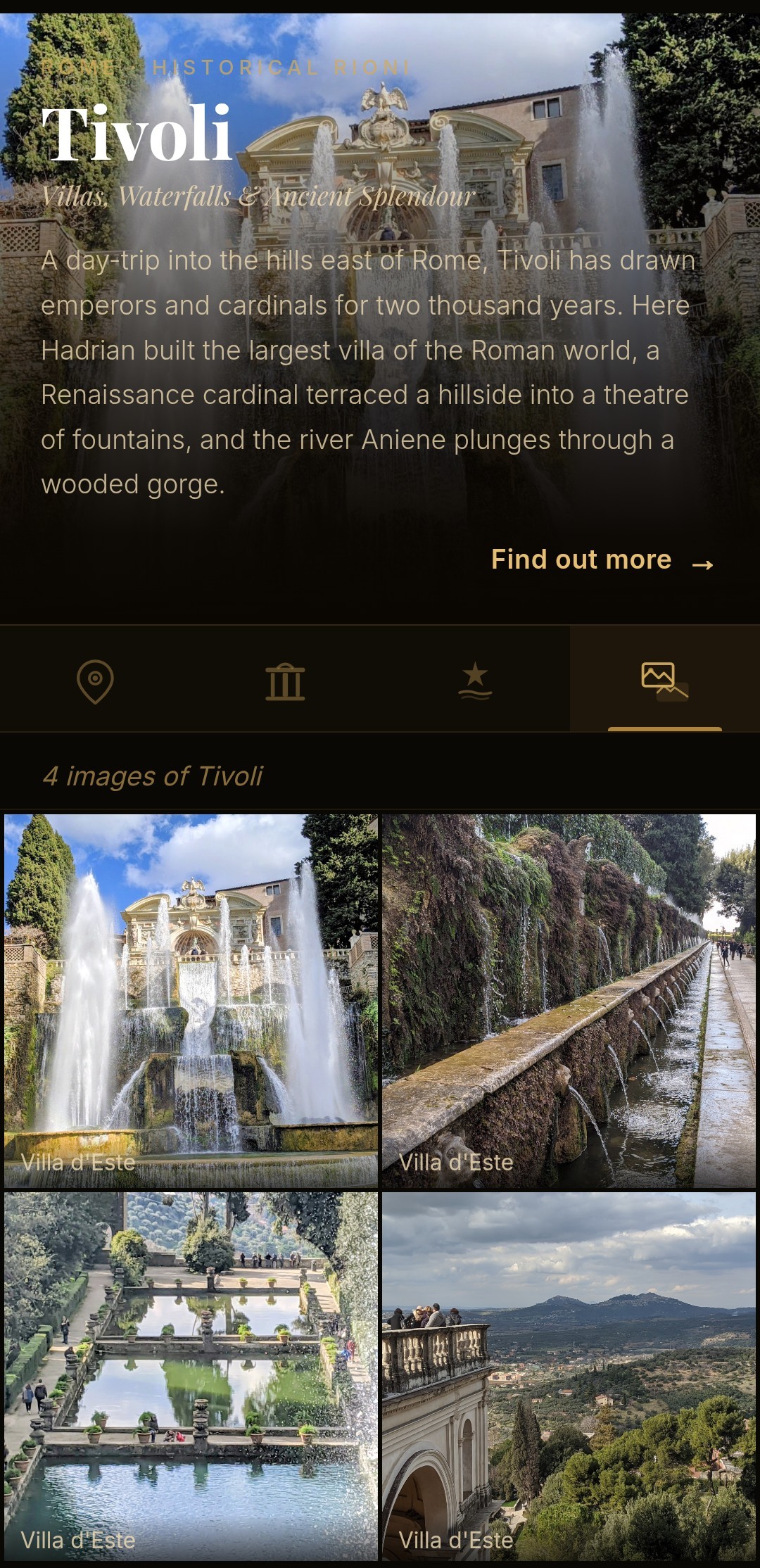
Photo gallery of a Rome day-trip

Authentic sights

Every monument with photos, history and the stories beneath the stones.

What to see Trastevere

8 sights

Basilica di Santa Maria in Trastevere
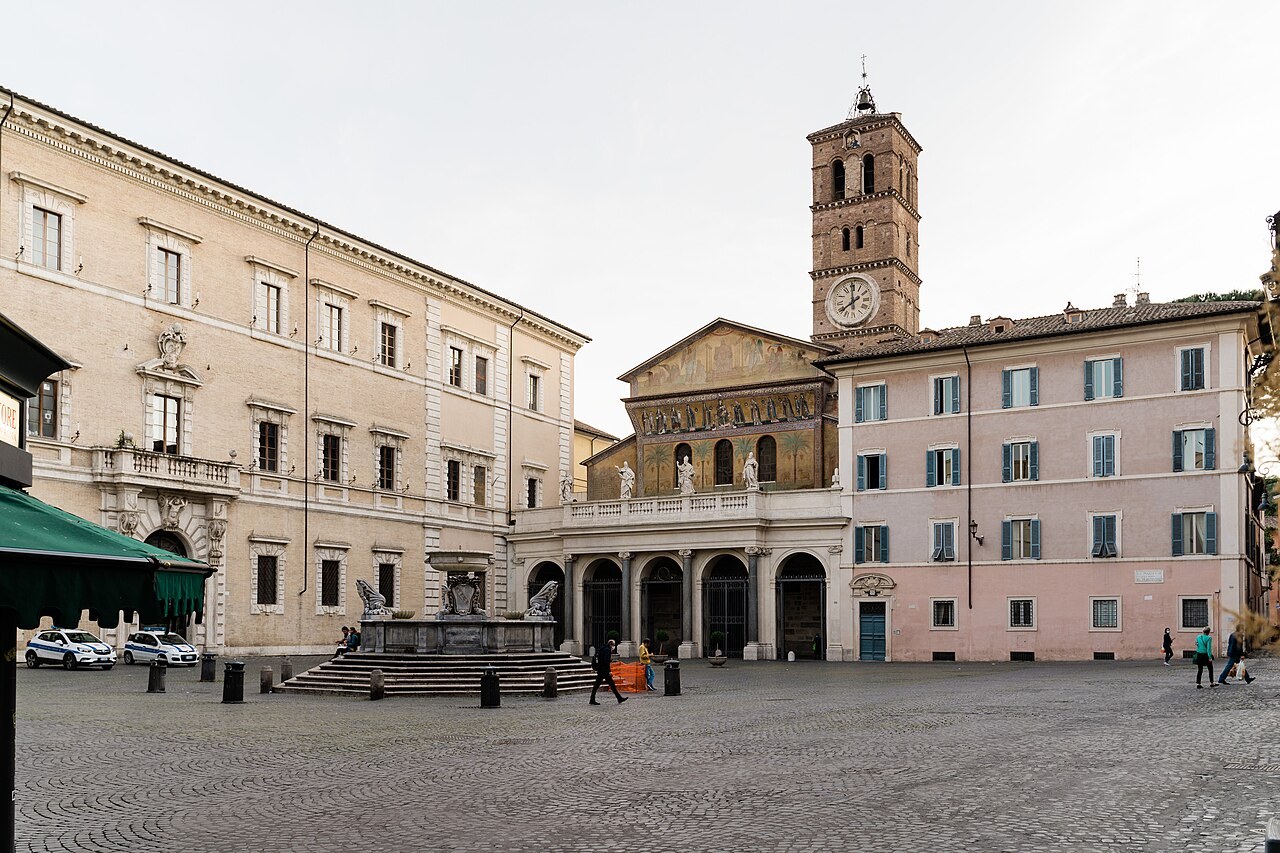
Basilica di Santa Maria in Trastevere

Tradition holds that a basilica was founded on this spot by Pope Callixtus I in the 220s AD, which would make it one of the very first places in Rome where Christian worship was openly tolerated. Legend ties the site to the "fons olei", a miraculous spring of oil said to have burst from the ground here on the night of Christ's birth — an event the church still commemorates with an inscription on the floor.
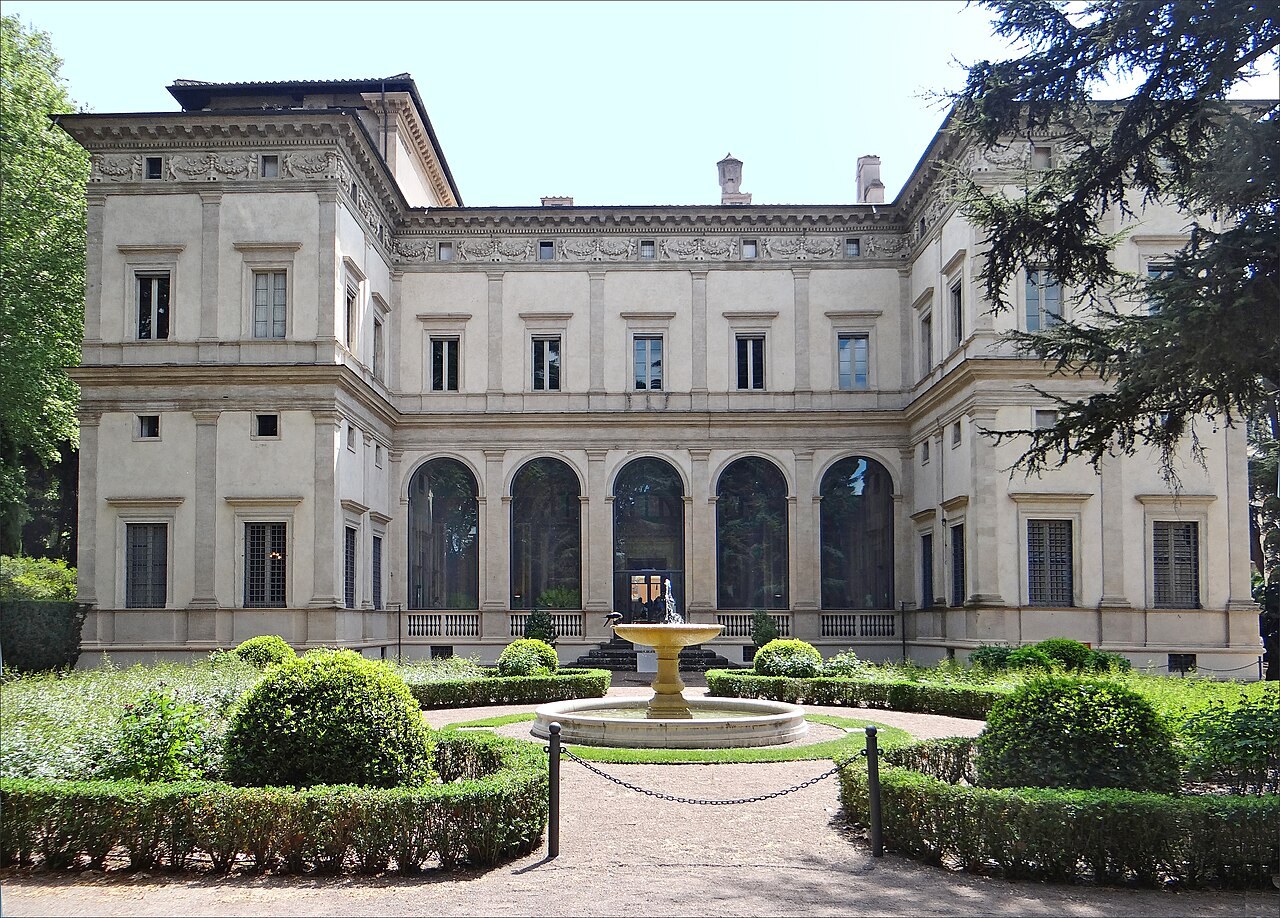
Villa Farnesina

Villa Farnesina

Built between 1506 and 1512 for Agostino Chigi — the fabulously rich Sienese banker to the popes — the Farnesina is the most perfect surviving suburban villa of the High Renaissance. Its architect, Baldassare Peruzzi, gave it a light, U-shaped plan opening onto gardens by the Tiber, designed expressly for the lavish parties with which Chigi dazzled (and out-spent) Roman society.

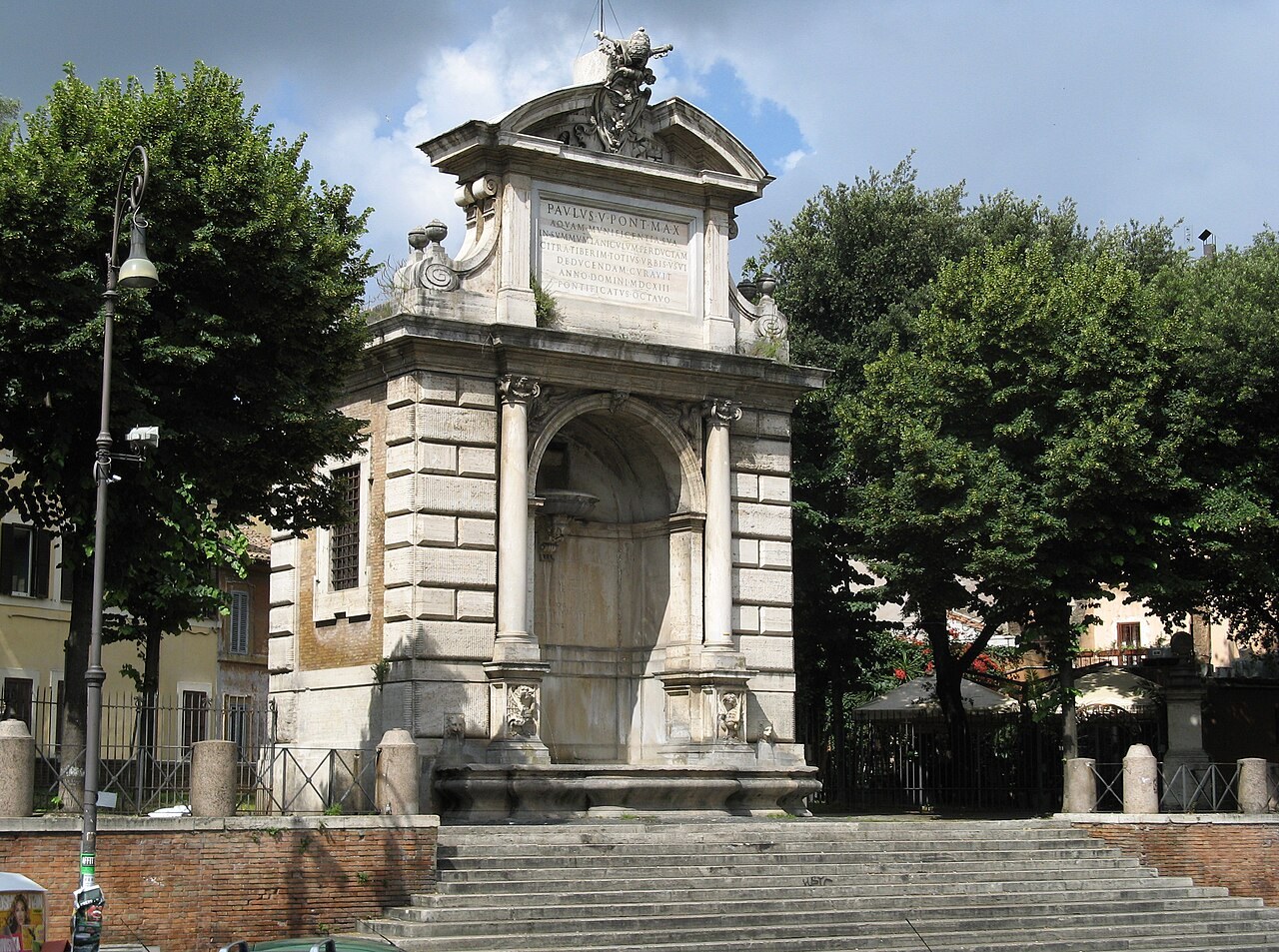
Fontana di Piazza Trilussa

Fontana di Piazza Trilussa

Properly the Fontana dell'Acqua Paola "minor" basin, this monumental wall-fountain was built in 1613 under Pope Paul V to mark the end of a restored ancient aqueduct, the Acqua Paola. For three centuries it stood on the opposite side of the river; when the Tiber embankments were carved out in the 1890s it was dismantled and re-erected here, against the wall that closes the little piazza.

Fontana dell'Acqua Paola

Fontana dell'Acqua Paola

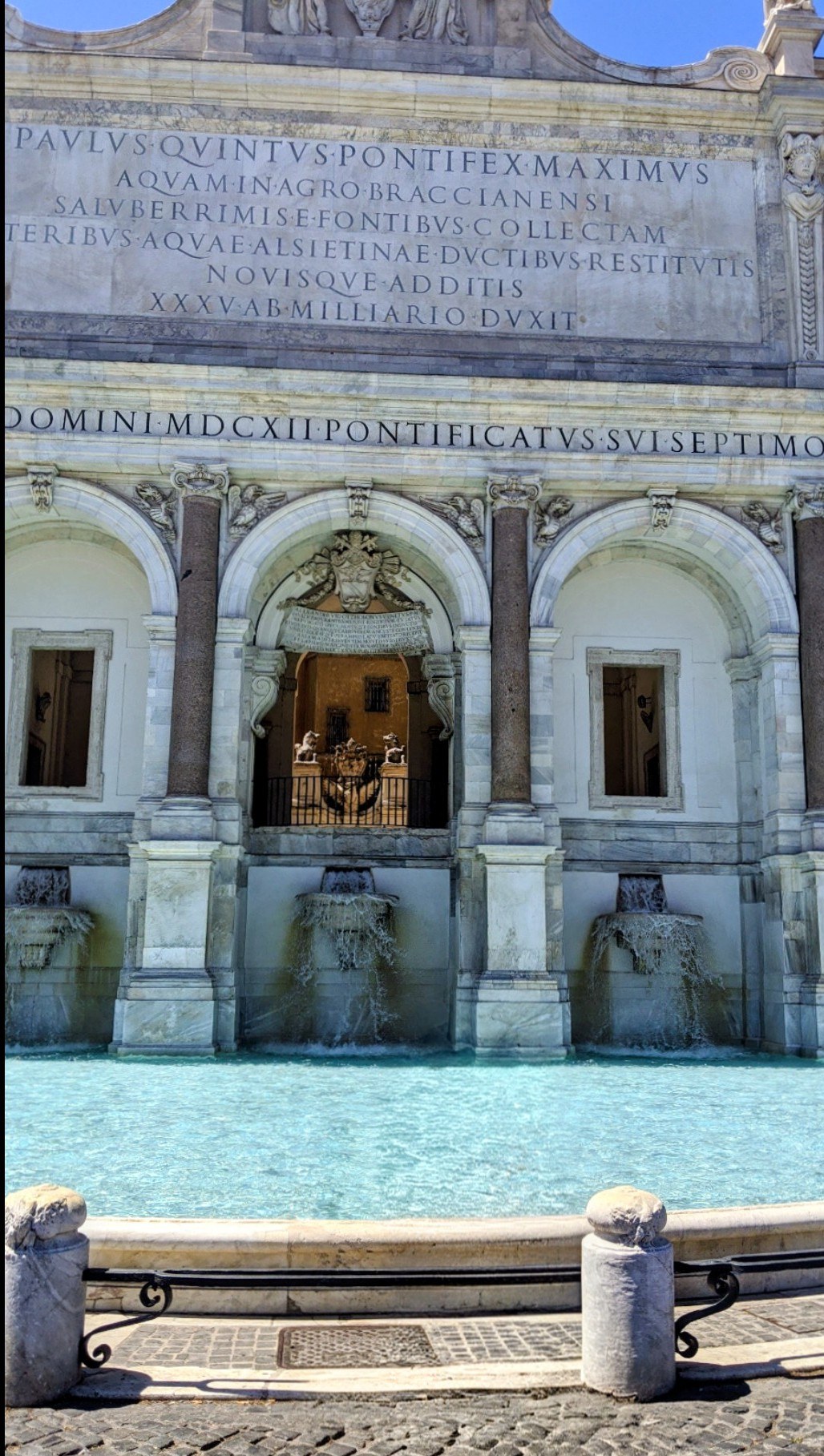
Nicknamed 'il Fontanone' — the big fountain — by Romans, this theatrical marble-and-granite facade was raised in 1612 under Pope Paul V (Camillo Borghese) to celebrate the restoration of an ancient aqueduct bringing water from Lake Bracciano. Some of its marble was stripped from the Forum of Nerva and six of its columns came from the old St Peter's.

Belvedere del Gianicolo

Belvedere del Gianicolo

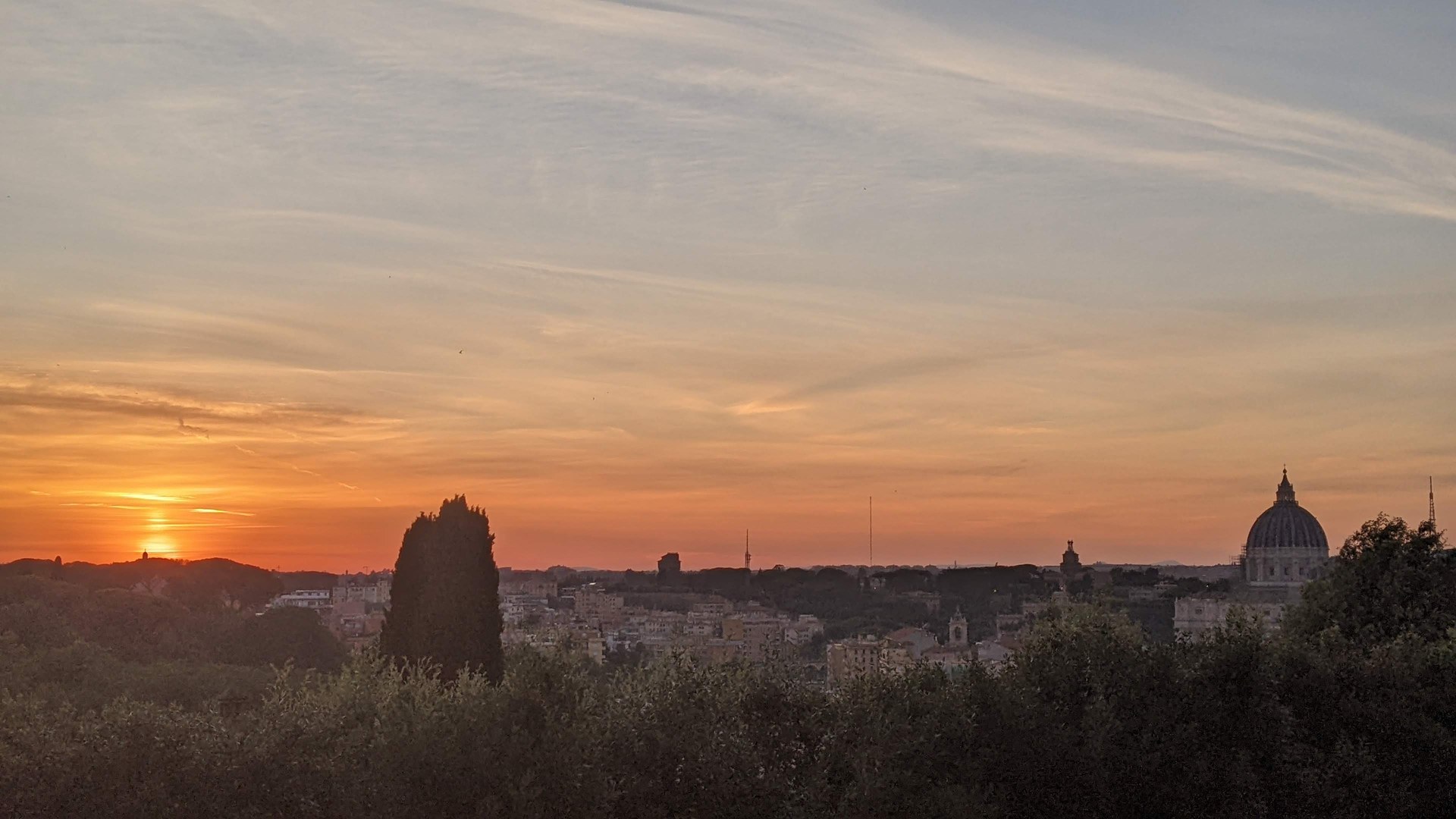
The crest of the Janiculum offers the widest panoramic terrace in Rome: a sea of domes, bell-towers and ochre rooftops stretching to the distant hills. The hill is not counted among Rome's seven classical hills, yet it overlooks them all, which is why it was the scene of Garibaldi's desperate defence of the Roman Republic in 1849 — hence the rows of busts of Risorgimento patriots lining its avenues.

Basilica di Santa Cecilia in Trastevere

Basilica di Santa Cecilia in Trastevere

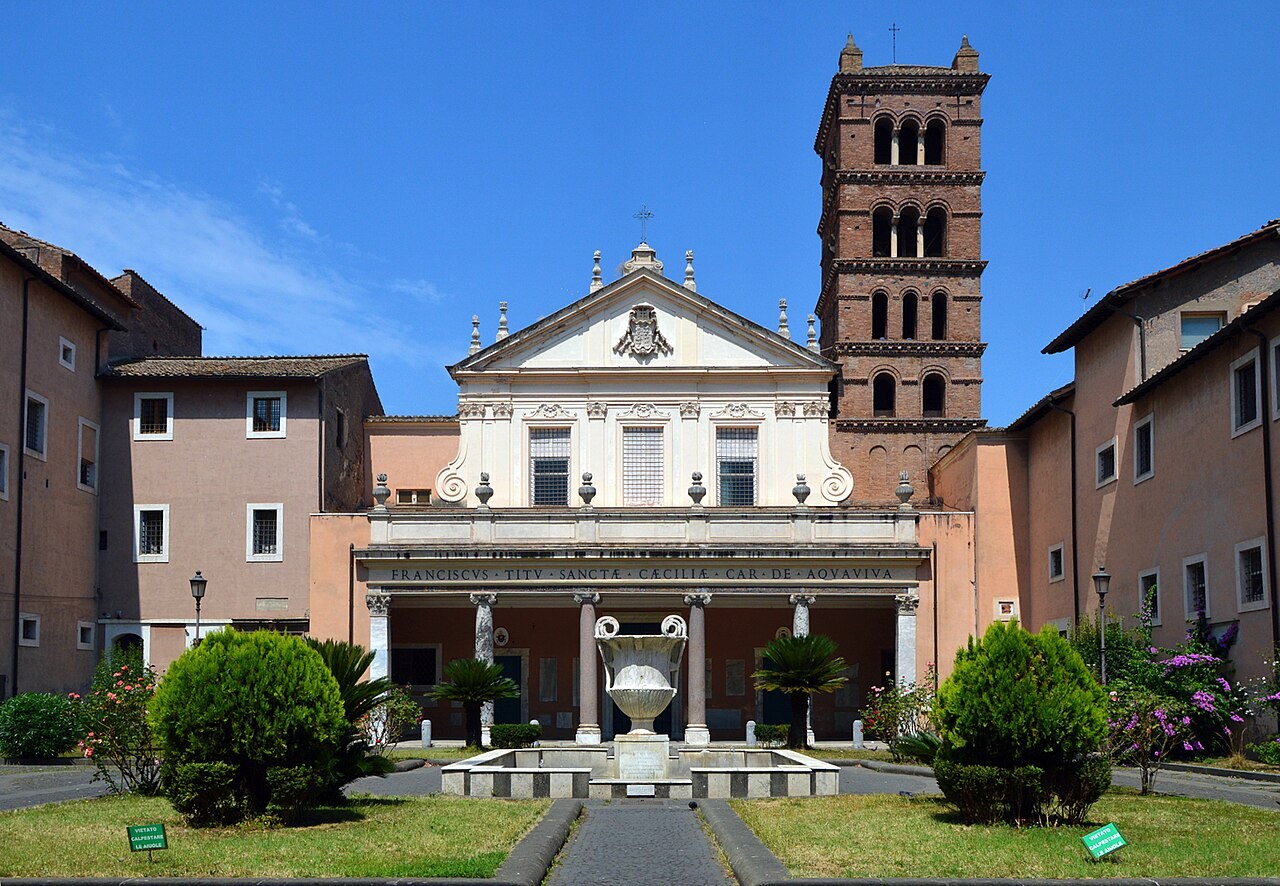
Raised over the house of St Cecilia, patron saint of music martyred in the 3rd century, this basilica hides behind its peaceful courtyard and rose garden layered treasures of a thousand years of art. Beneath the altar lies Stefano Maderno's tender sculpture (1600), showing the saint's body exactly as it was said to have been found when her tomb was opened.

Local tips & flavours

  • Grattachecca at Sor Mirko
  • Piazza in Piscinula
  • Bar San Calisto
  • Mercato di Piazza San Cosimato
  • Otaleg
  • Wander the pedestrian lanes
  • Cannone del Gianicolo
  • Mercato di Porta Portese
  • Da Enzo al 29

Open the Trastevere guide

Free web appWorks offline in Rome
GPS · maps · audio · 5 languages
Open the Trastevere guide

Explore more of Rome