🏛
Explore Testaccio's monuments and local tips insideRioneThe Living Map of Rome
Open the interactive guide
Rione — explore Rome's rioni
ROME · LIVING RIONI

Experience Roman life like Romans do. Discover the rioni.

Uncover the city’s living history. Rione maps Rome’s ancient quarters dynamically — unlocking subterranean layers, hidden stories and local secrets right where you stand.

Open the free Testaccio guide →

Inside the Rione app

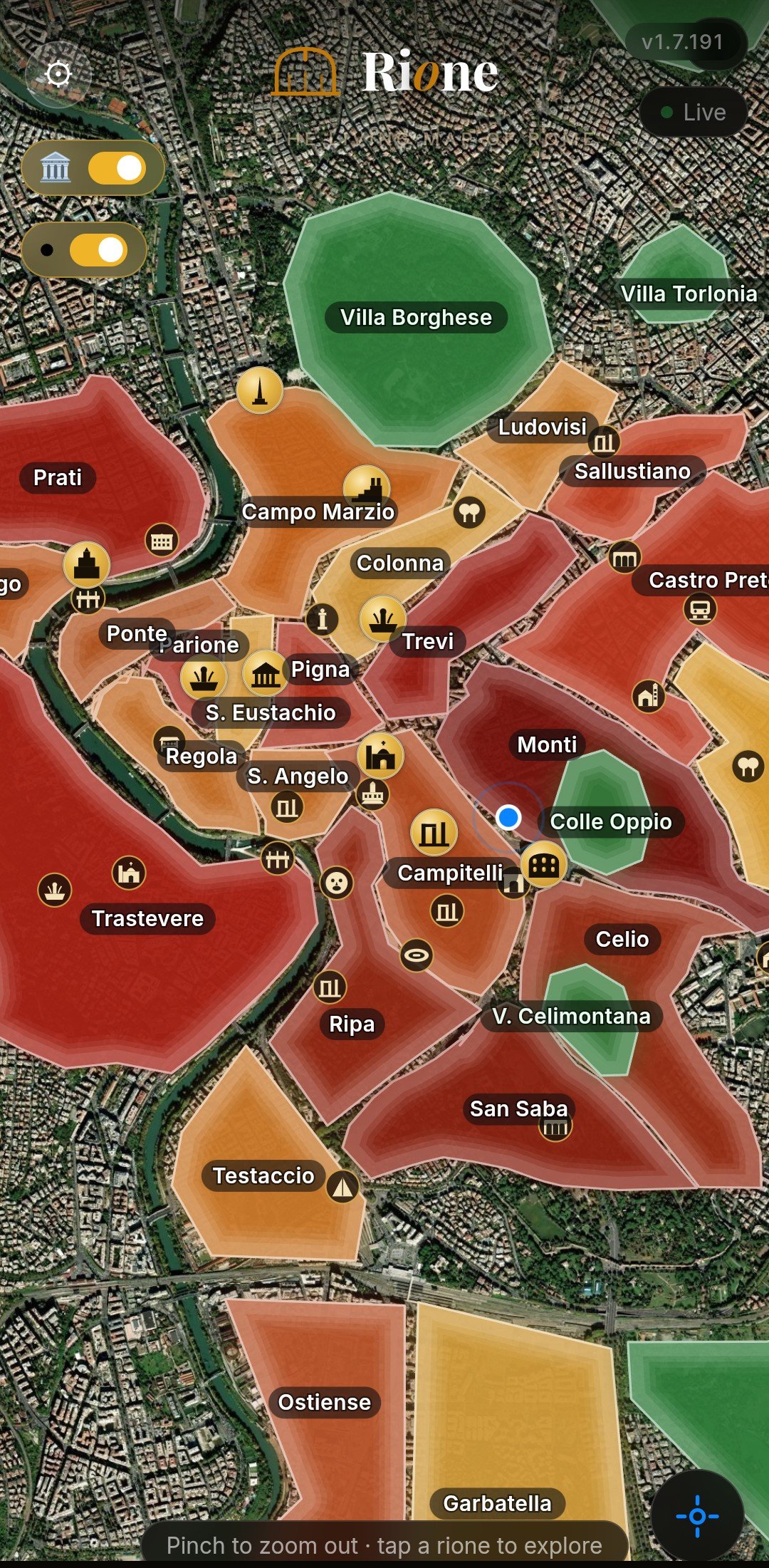
Interactive rioni map of Rome
Rione guide with monuments and history

Custom rioni mapping

Dynamic, interactive boundaries of all of Rome’s historical rioni, colour-coded and tappable.

GPS walking tour route
Photo gallery of a Rome day-trip

Authentic sights

Every monument with photos, history and the stories beneath the stones.

What to see Testaccio

5 sights

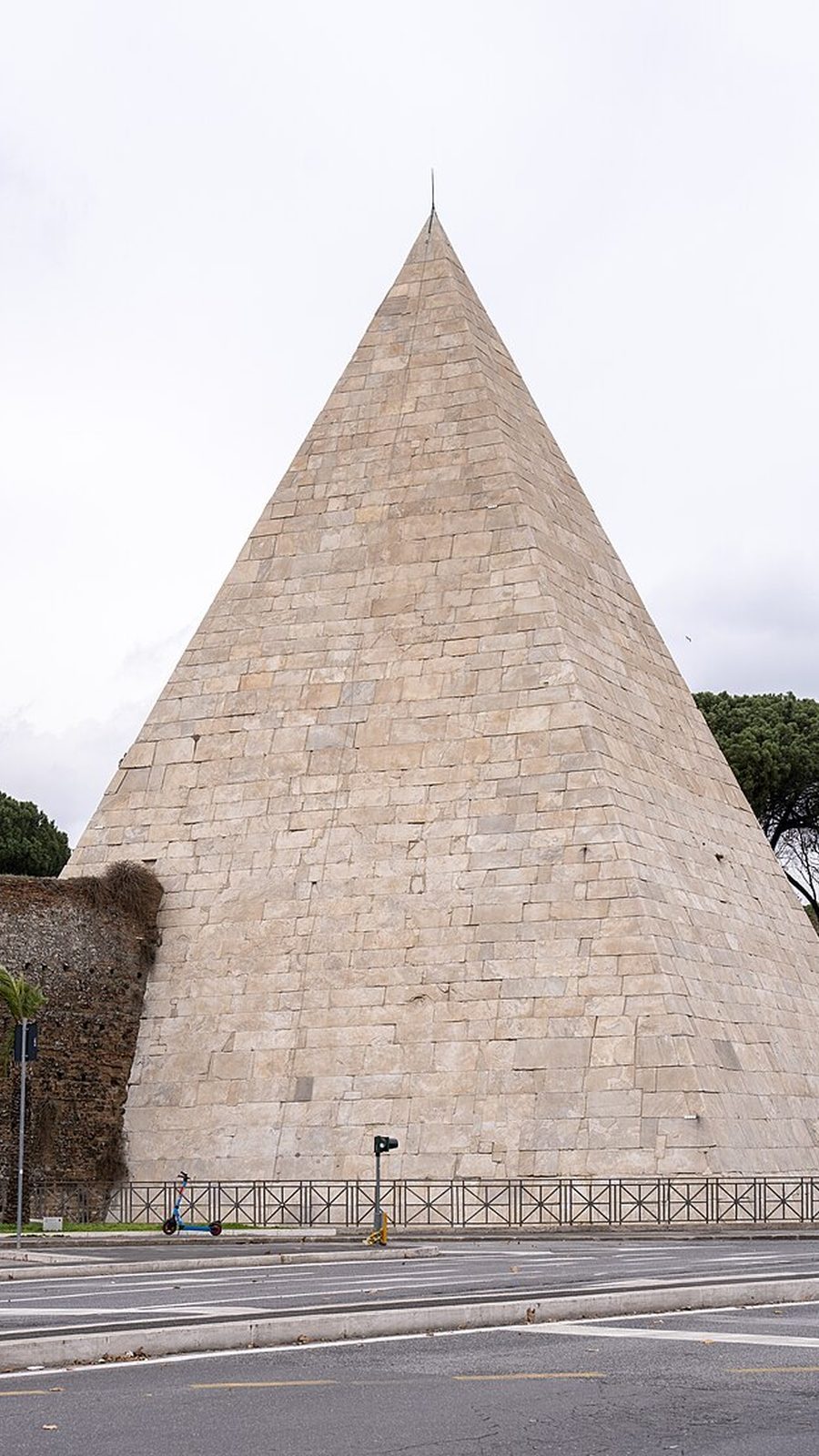
Piramide Cestia

Piramide Cestia

Rome's pyramid is a genuine ancient tomb, built around 18–12 BC for Gaius Cestius, a wealthy magistrate, at a moment when the conquest of Egypt had set off a craze for all things Egyptian. Faced in gleaming white Carrara marble and rising 36 metres on a square base, it was — an inscription boasts — completed in just 330 days, to meet the terms of Cestius's will.
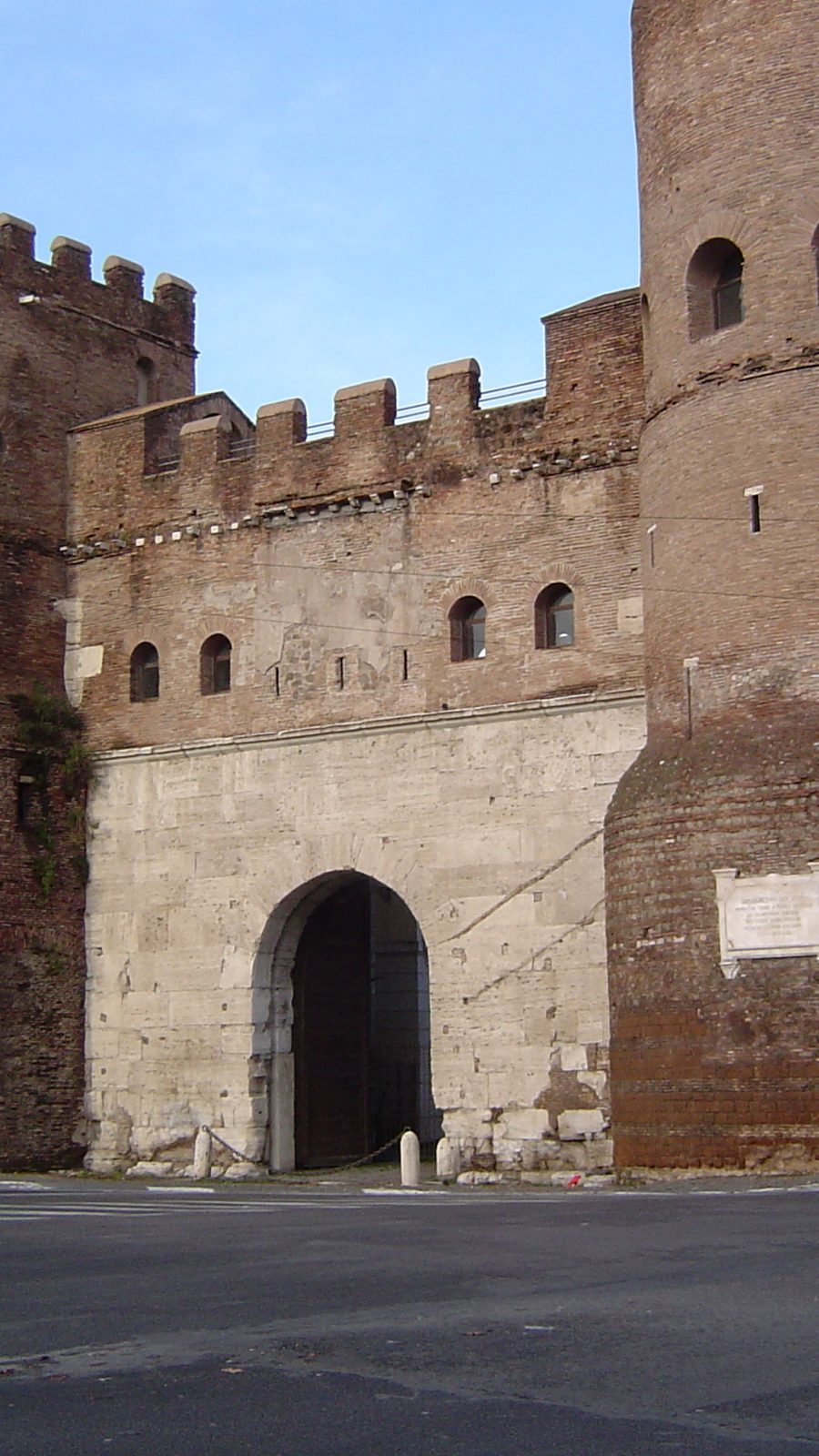
Porta San Paolo

Porta San Paolo

Standing beside the Pyramid on Piazzale Ostiense, Porta San Paolo is one of the grandest and best-preserved gates of the Aurelian Walls, built in the 270s AD. Originally the Porta Ostiensis, it marked the start of the Via Ostiense, the road running down to Rome's port at Ostia; it took its modern name in the Middle Ages from the nearby basilica of St Paul, reached by a pilgrim road that began here. The emperor Honorius reinforced it with towers and battlements around 401–403, giving it the fortress-like profile it still has today.

Cimitero Acattolico

Cimitero Acattolico

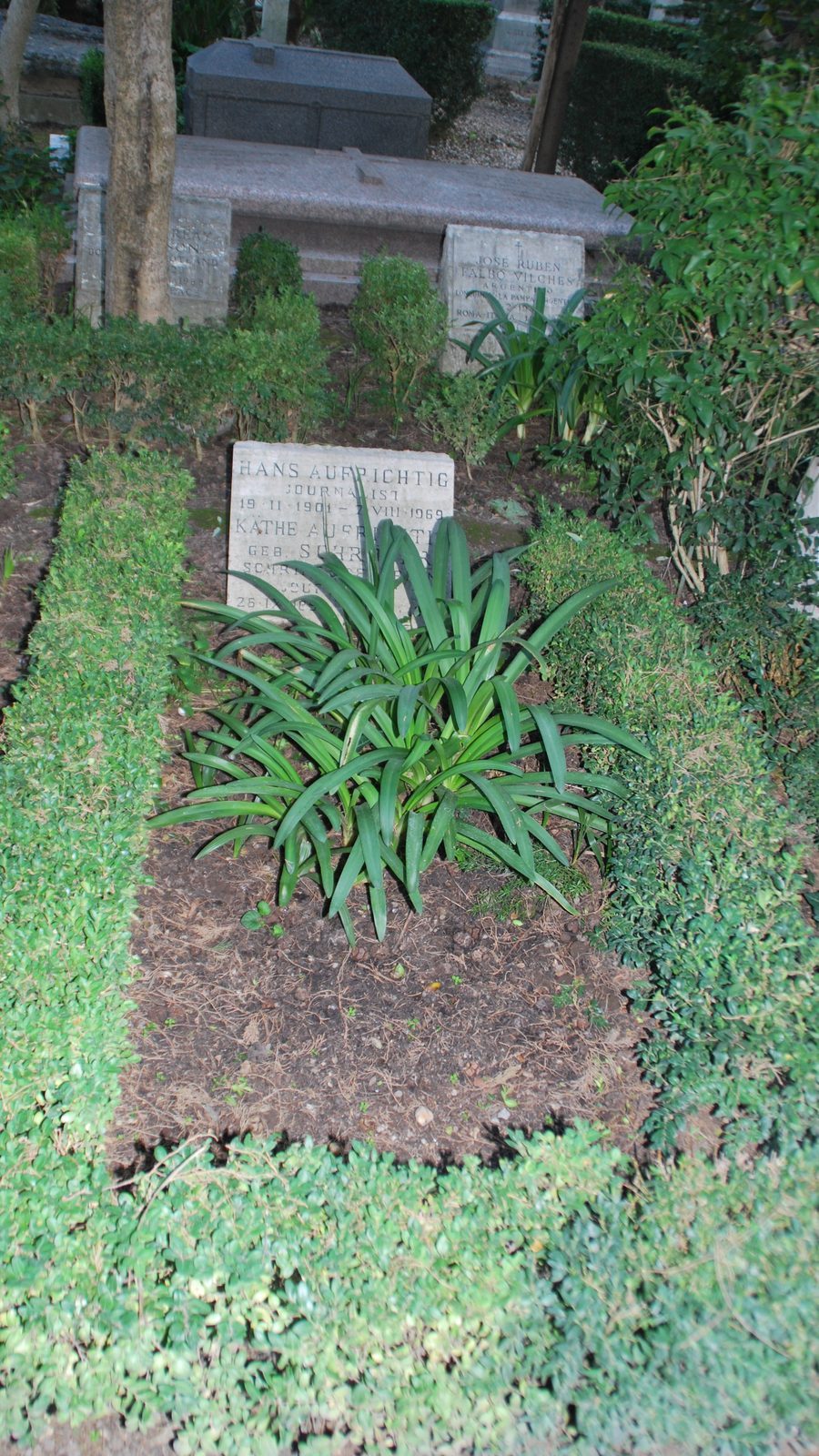
The "Non-Catholic Cemetery", in the shadow of the Pyramid, is one of the most beautiful and moving corners of Rome — a cypress-shaded garden where, for three centuries, the city has buried the Protestants, Orthodox, Jews and free-thinkers who could not lie in consecrated Catholic ground.

Monte Testaccio

Monte Testaccio

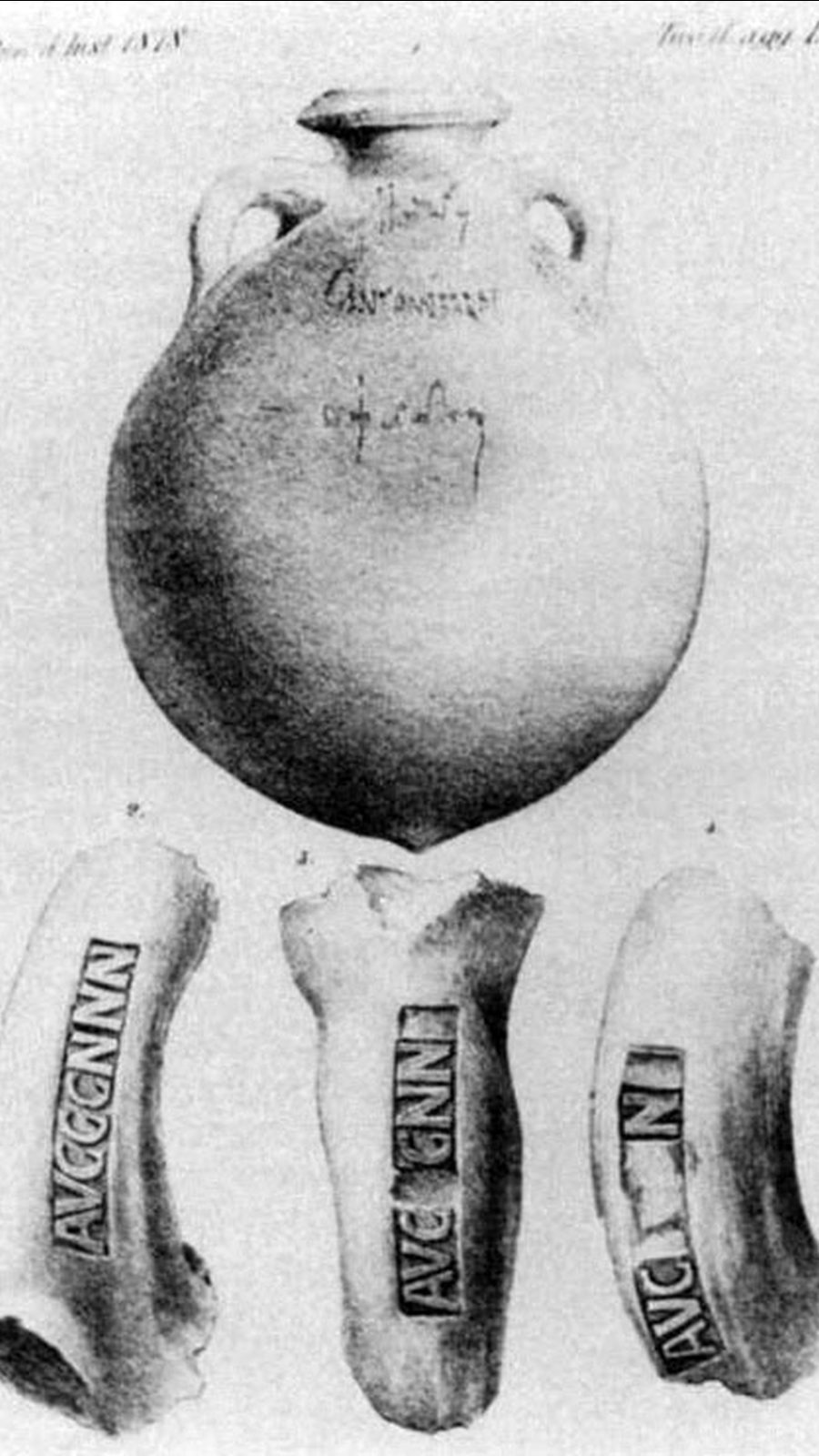
One of the strangest hills on earth: Monte Testaccio is entirely artificial, a man-made mound about 35 metres high built from the smashed remains of an estimated 53 million Roman "amphorae" — the big clay jars used to ship olive oil into the city's nearby river port.

Mattatoio di Testaccio

Mattatoio di Testaccio

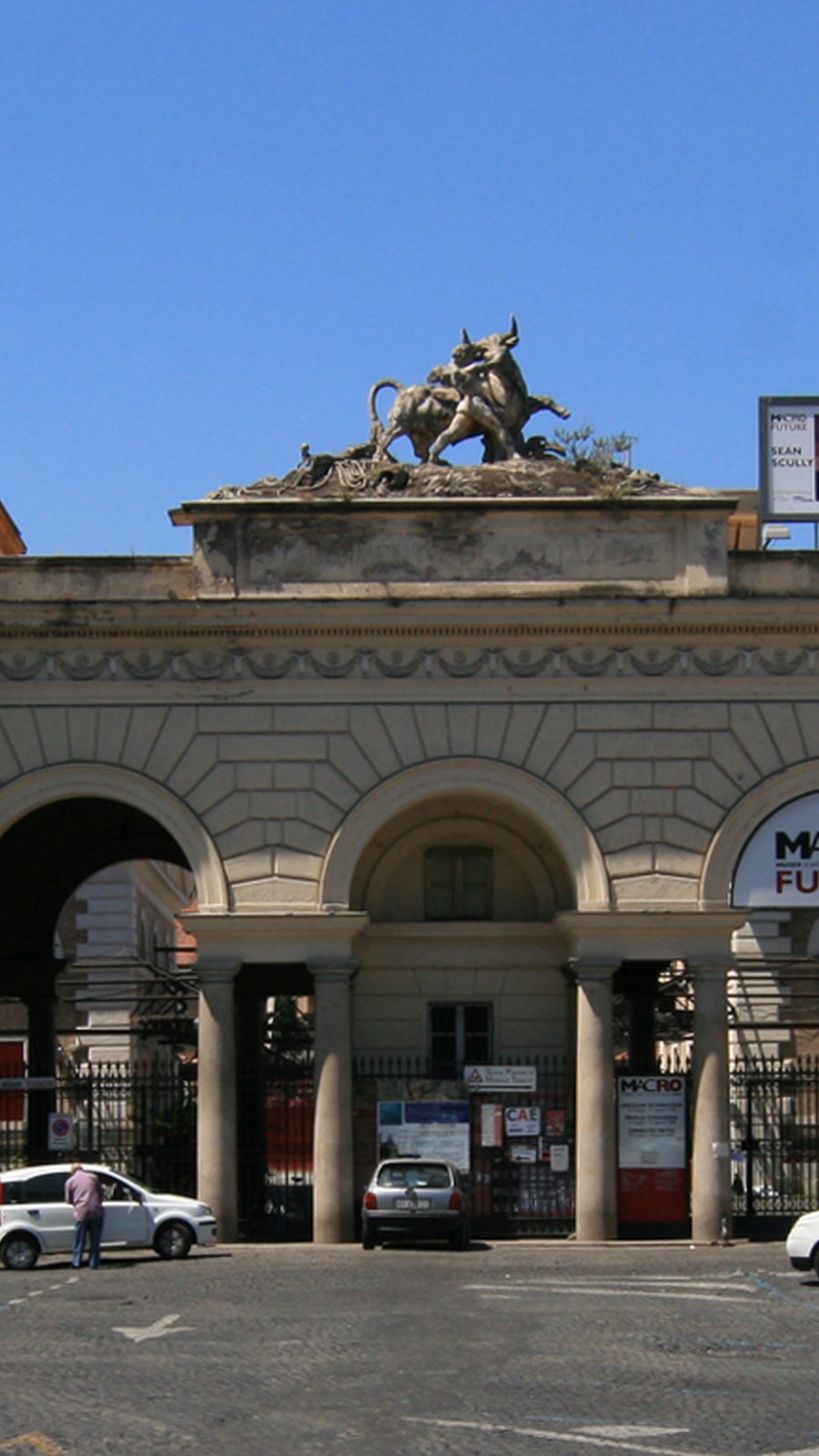
Rome's former slaughterhouse, the Mattatoio, is a vast complex of low brick-and-iron pavilions built between 1888 and 1891 — at the time one of the most modern industrial buildings in Italy, and a monument of 19th-century civic engineering. It gave the quarter its identity: the offcuts the butchers were paid in, the "quinto quarto", became the foundation of true Roman cooking, still served in the trattorie around it.

Local tips & flavours

  • Mercato di Testaccio
  • Flavio al Velavevodetto
  • Remo a Testaccio
  • Oasi della Birra
  • Keats' grave
  • Testaccio nightlife

Open the Testaccio guide

Free web appWorks offline in Rome
GPS · maps · audio · 5 languages
Open the Testaccio guide

Explore more of Rome