🏛
Explore San Saba's monuments and local tips insideRioneThe Living Map of Rome
Open the interactive guide
Rione — explore Rome's rioni
ROME · LIVING RIONI

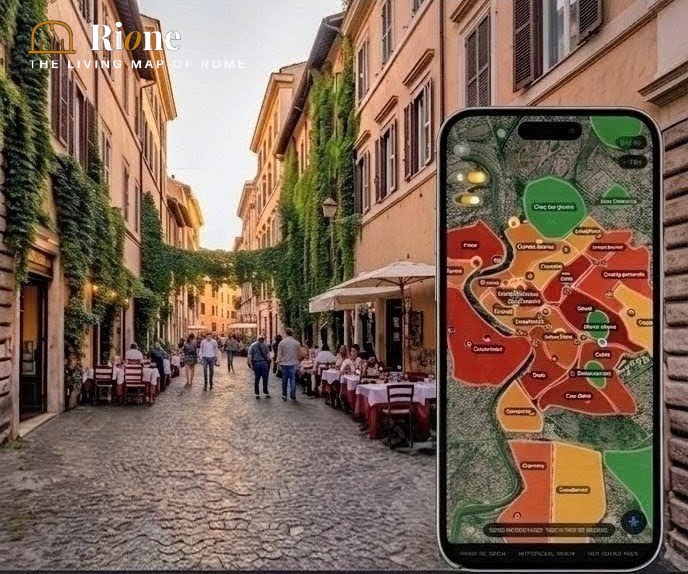
Experience Roman life like Romans do. Discover the rioni.

Uncover the city’s living history. Rione maps Rome’s ancient quarters dynamically — unlocking subterranean layers, hidden stories and local secrets right where you stand.

Open the free San Saba guide →

Inside the Rione app

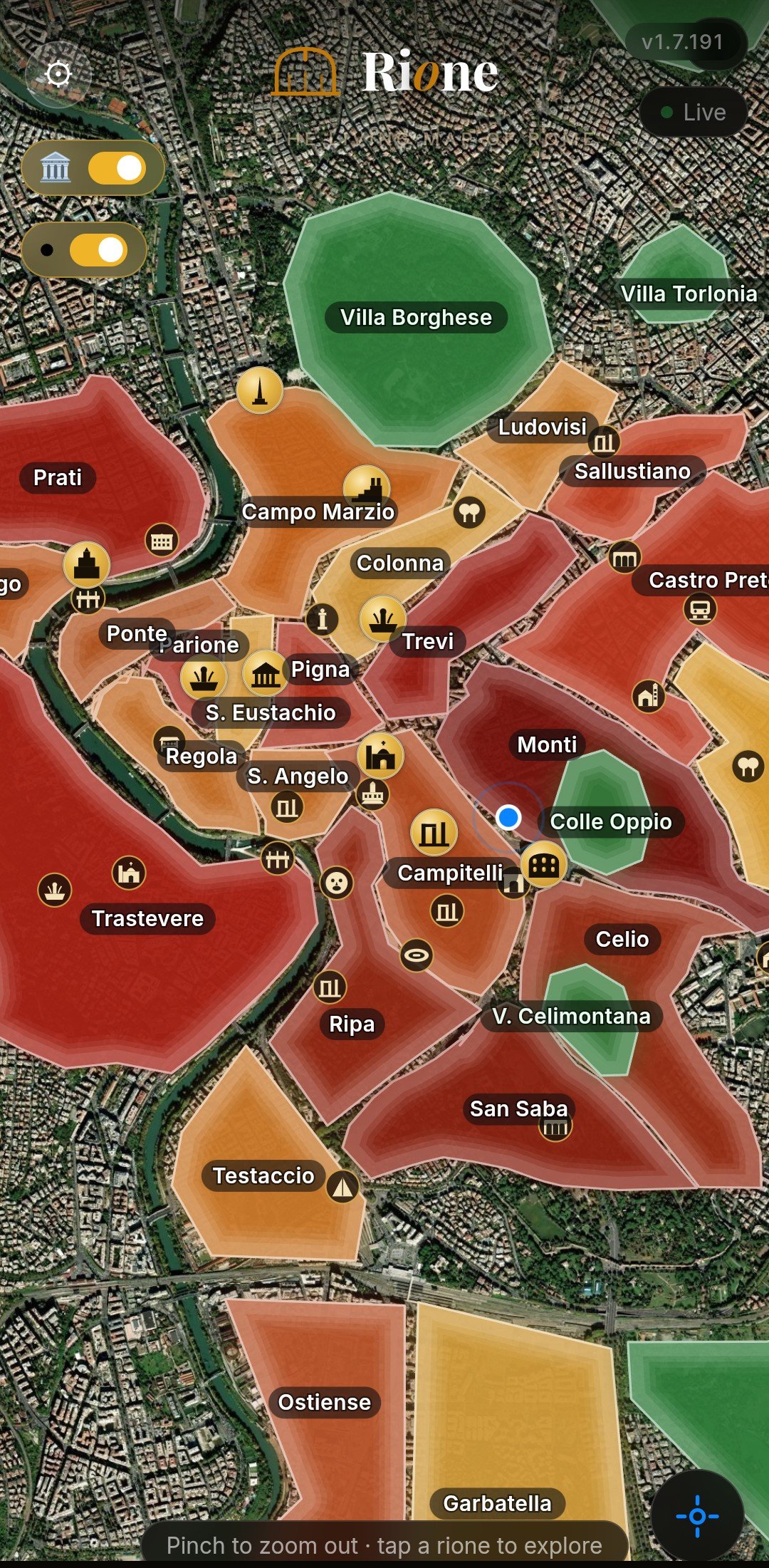
Interactive rioni map of Rome
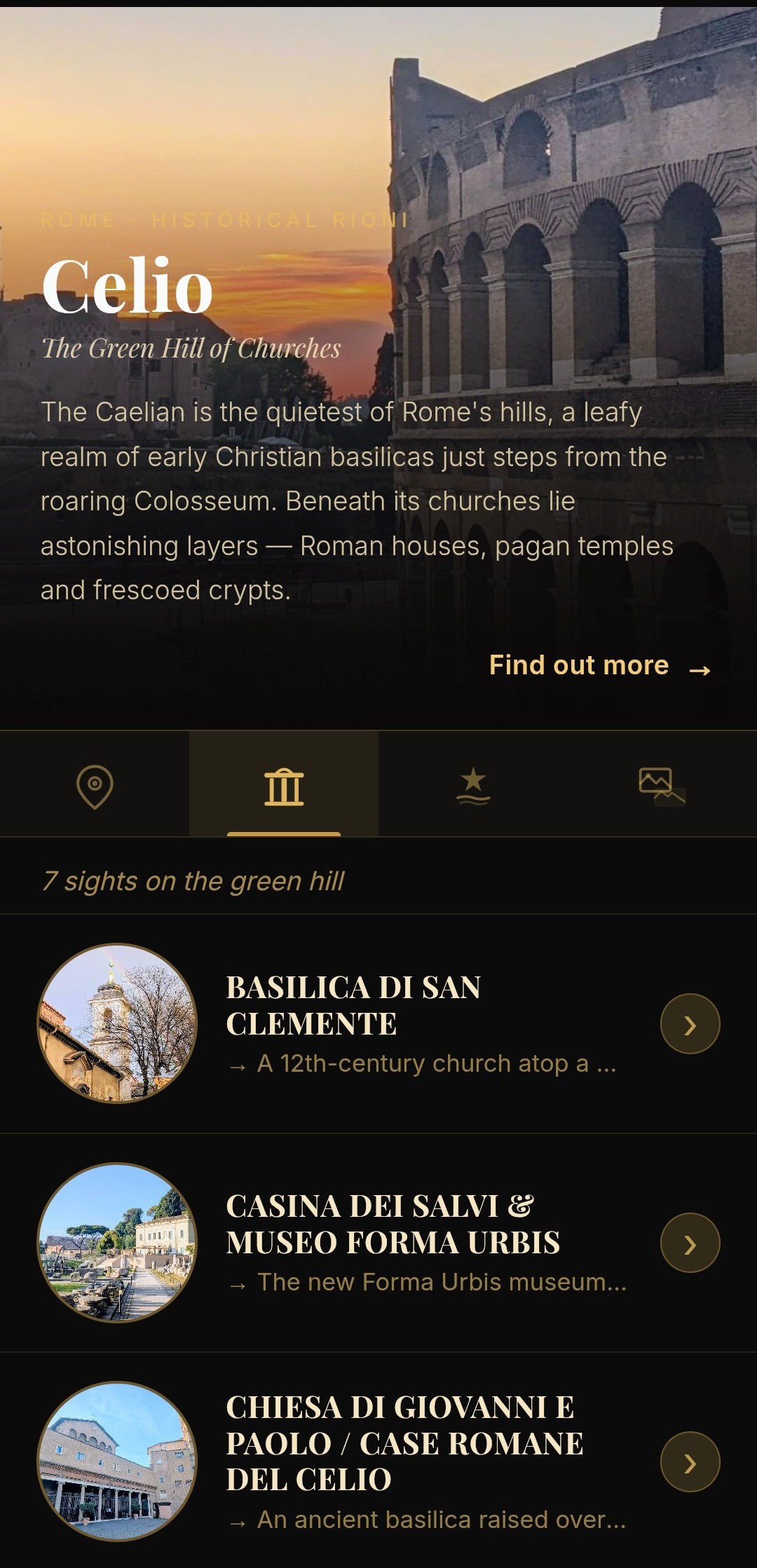
Rione guide with monuments and history

Custom rioni mapping

Dynamic, interactive boundaries of all of Rome’s historical rioni, colour-coded and tappable.

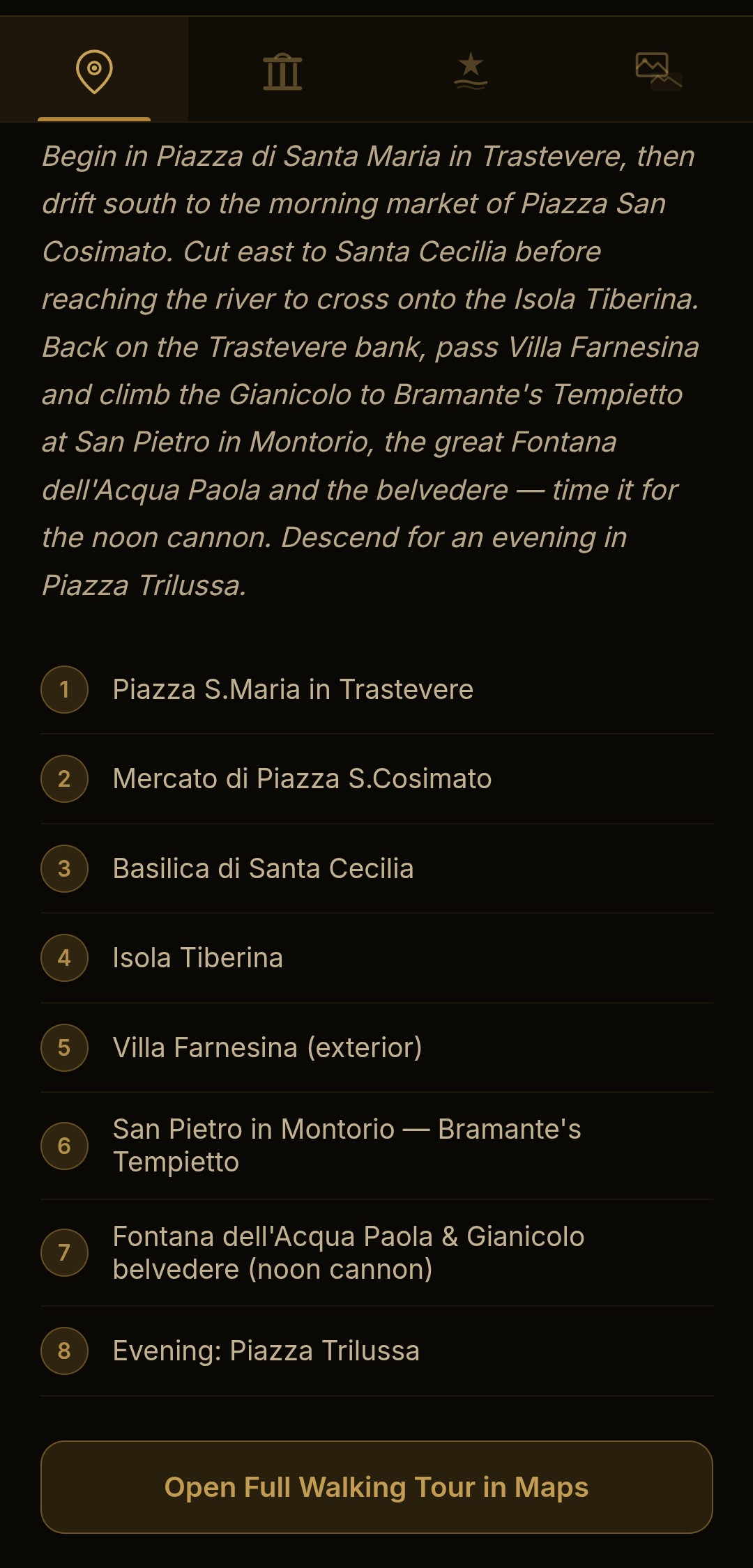
GPS walking tour route
Photo gallery of a Rome day-trip

Authentic sights

Every monument with photos, history and the stories beneath the stones.

What to see San Saba

3 sights

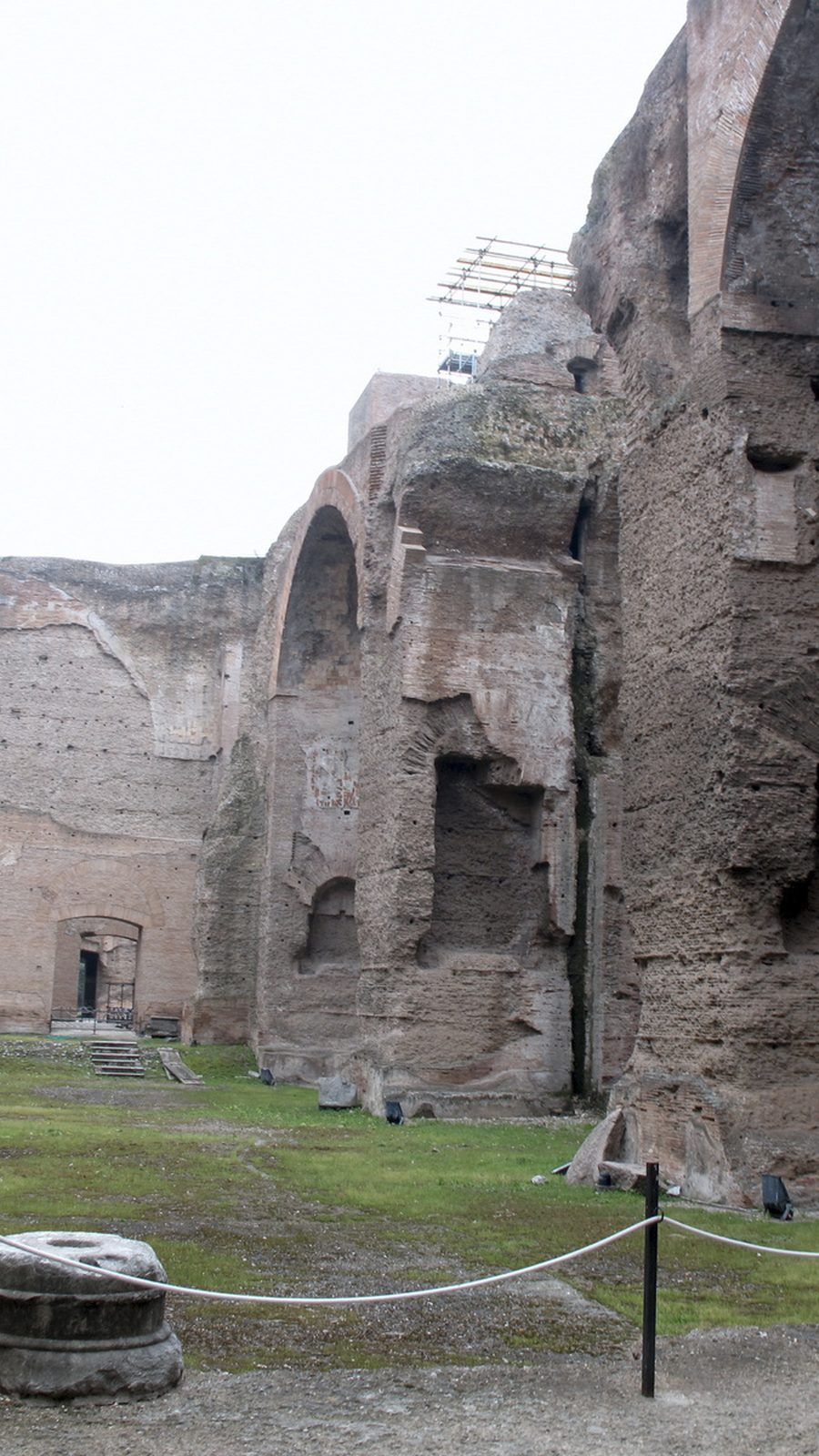
Terme di Caracalla

Terme di Caracalla

Opened around 216 AD, the Baths of Caracalla were less a place to wash than a vast leisure complex — capable of holding some 1,600 bathers at once, with hot, warm and cold halls, an open-air swimming pool, gymnasia, libraries in Greek and Latin, gardens and shops. The towering brick walls that survive give only a skeletal sense of the original, which was sheathed in coloured marble, mosaics and colossal statues (the famous Farnese Hercules and Farnese Bull were dug out of these ruins).
Basilica di San Saba

Basilica di San Saba

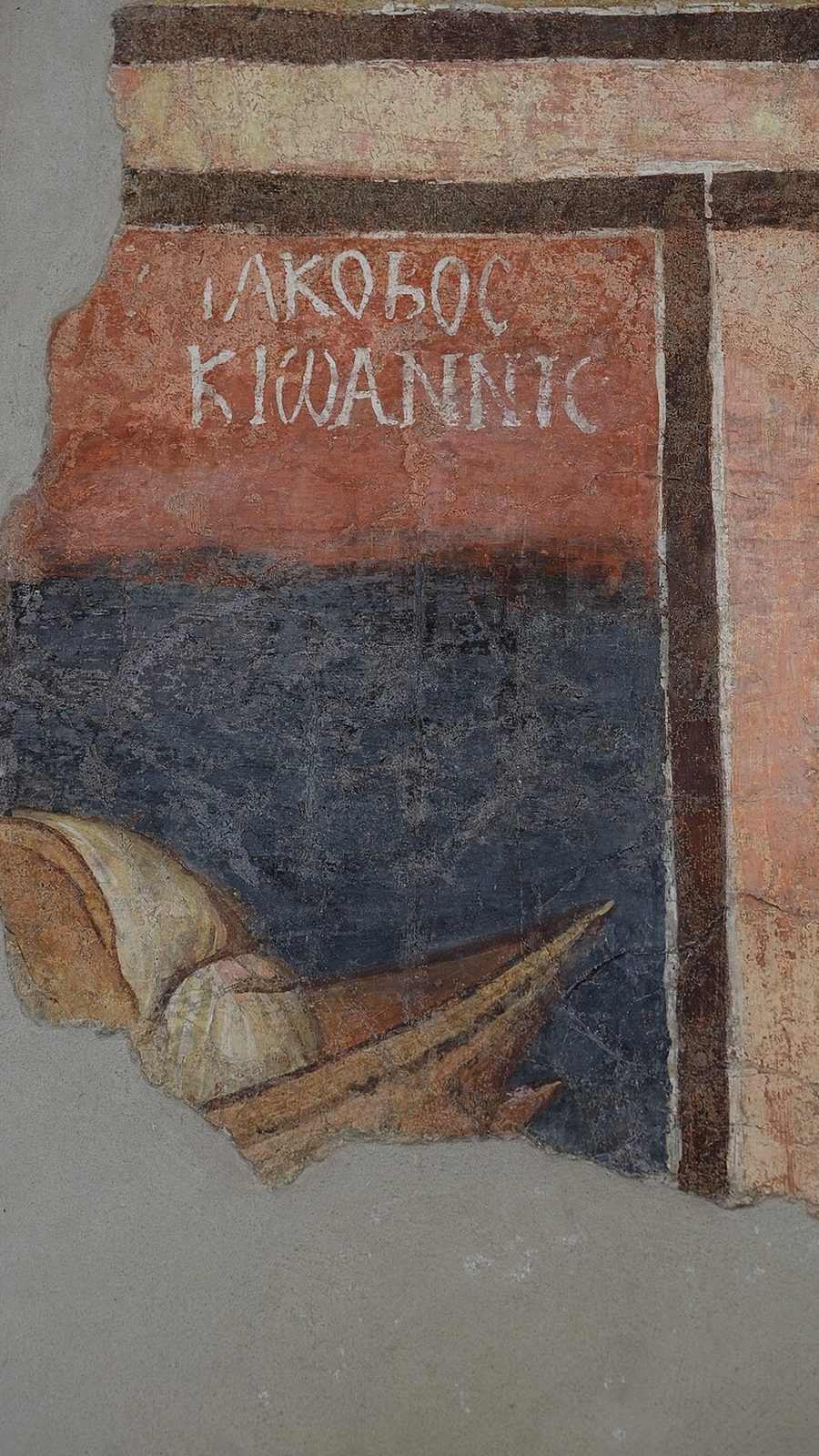
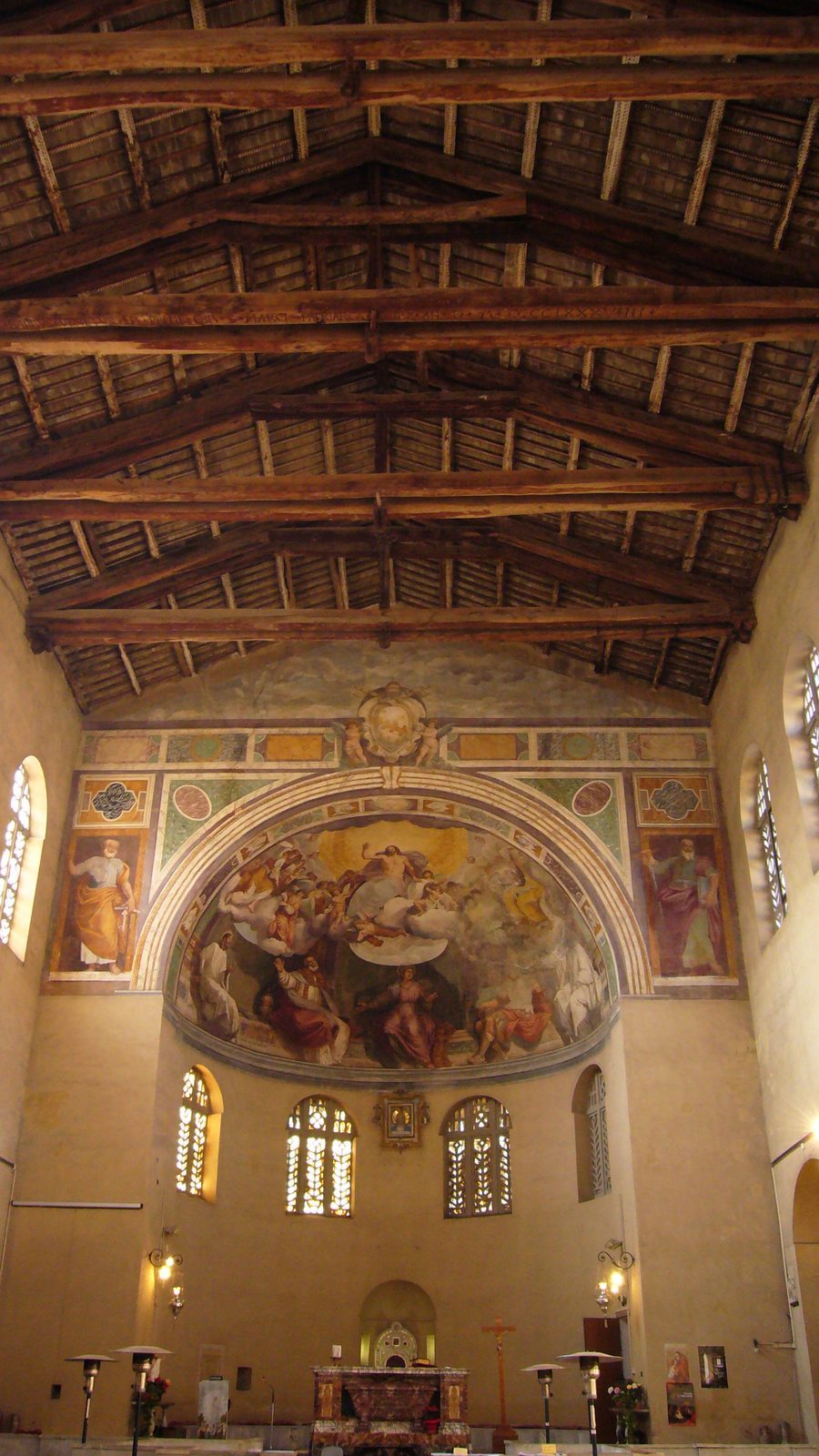
A serene survival on the "Little Aventine", San Saba grew from a 7th-century monastery founded by monks fleeing the Holy Land — dedicated to St Sabas, a great founder of Palestinian monasticism. The present church, rebuilt around the 10th–12th centuries, feels worlds away from the tourist Rome below the hill.

Basilica di Santa Balbina

Basilica di Santa Balbina

One of the most secret churches in Rome, Santa Balbina stands at the top of a walled lane on the Piccolo Aventino, just above the Baths of Caracalla. An early-Christian basilica, it was raised after the barbarian invasions over a hall of a grand Roman house — probably the residence of Lucius Fabius Cilo, consul in 204 AD — and a "titulus Sanctae Balbinae" is recorded as early as the 6th century. Its severe brick façade and Tuscan-columned portico are the result of a radical 1927–30 restoration by Antonio Muñoz, who stripped the church back to its medieval single-hall plan of rectangular and apsidal niches.

Local tips & flavours

  • Opera at Caracalla
  • Locali lungo Viale Aventino
  • San Saba's loggia
  • 100% Bio

Open the San Saba guide

Free web appWorks offline in Rome
GPS · maps · audio · 5 languages
Open the San Saba guide

Explore more of Rome