🏛
Explore Prati's monuments and local tips insideRioneThe Living Map of Rome
Open the interactive guide
Rione — explore Rome's rioni
ROME · LIVING RIONI

Experience Roman life like Romans do. Discover the rioni.

Uncover the city’s living history. Rione maps Rome’s ancient quarters dynamically — unlocking subterranean layers, hidden stories and local secrets right where you stand.

Open the free Prati guide →

Inside the Rione app

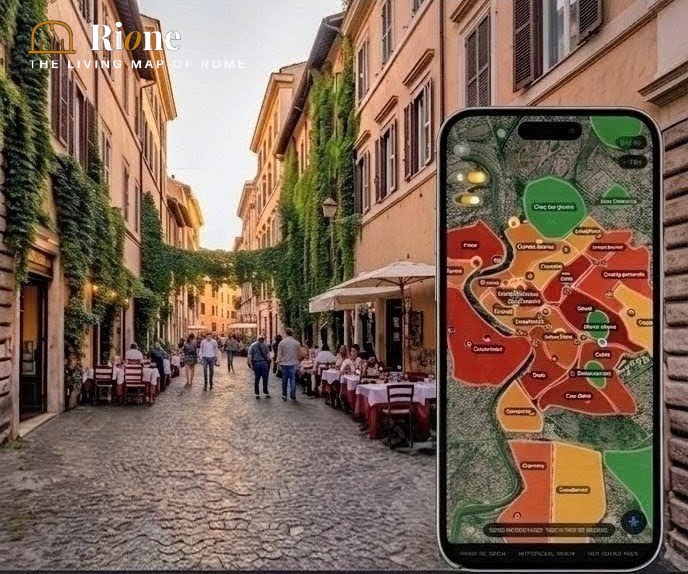
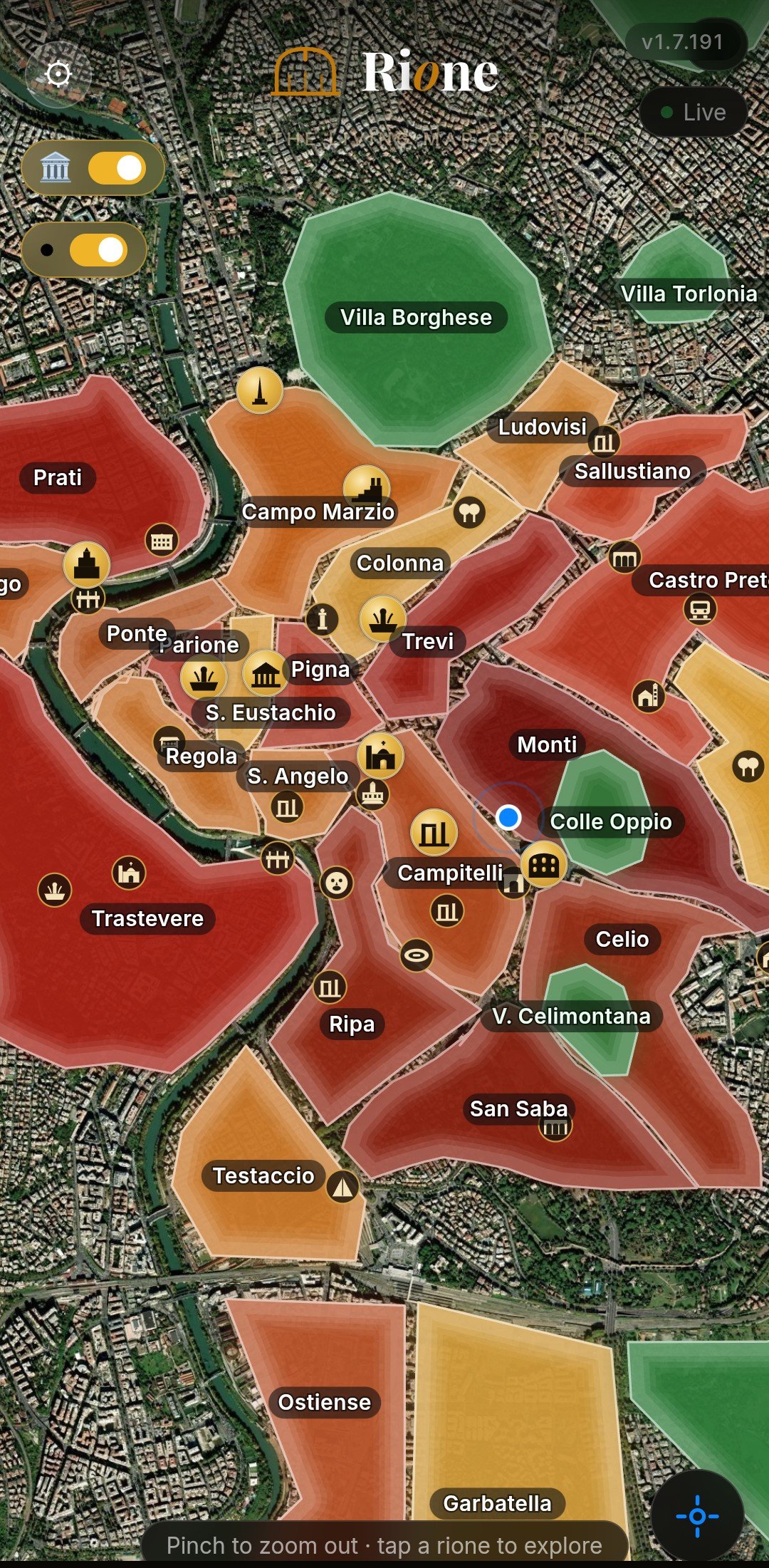
Interactive rioni map of Rome
Rione guide with monuments and history

Custom rioni mapping

Dynamic, interactive boundaries of all of Rome’s historical rioni, colour-coded and tappable.

GPS walking tour route
Photo gallery of a Rome day-trip

Authentic sights

Every monument with photos, history and the stories beneath the stones.

What to see Prati

5 sights

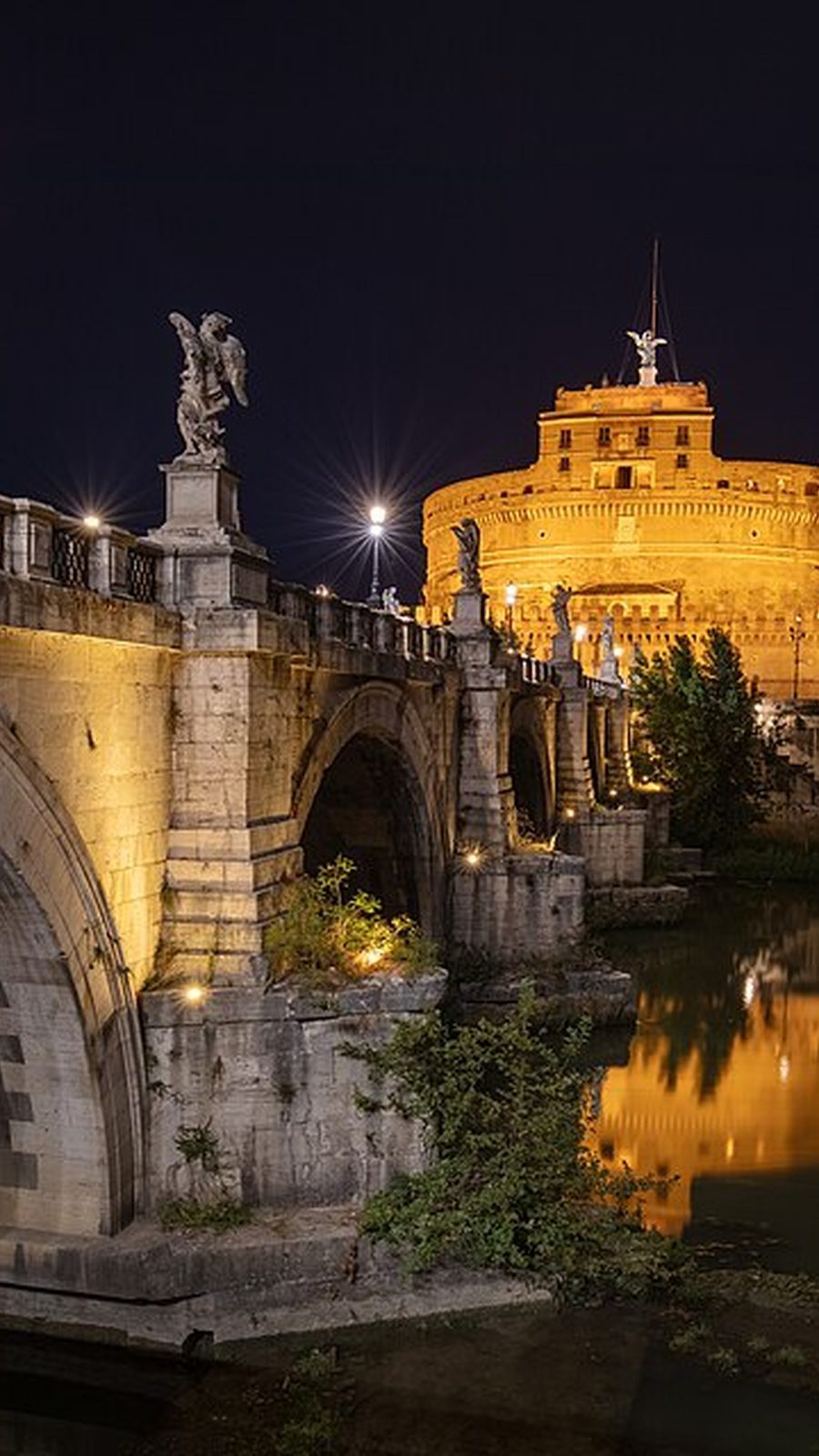
Castel Sant'Angelo

Castel Sant'Angelo

It began as a tomb. Between 135 and 139 AD the emperor Hadrian raised this colossal cylindrical mausoleum on the right bank of the Tiber as a resting place for himself and his successors; emperors were interred here for nearly a century. Stripped of its marble and crowning statues, the mighty drum proved too useful to abandon — and so it became, in turn, a fortress, a prison, a barracks, and a refuge for the popes.

Buy tickets · Tiqets ›i
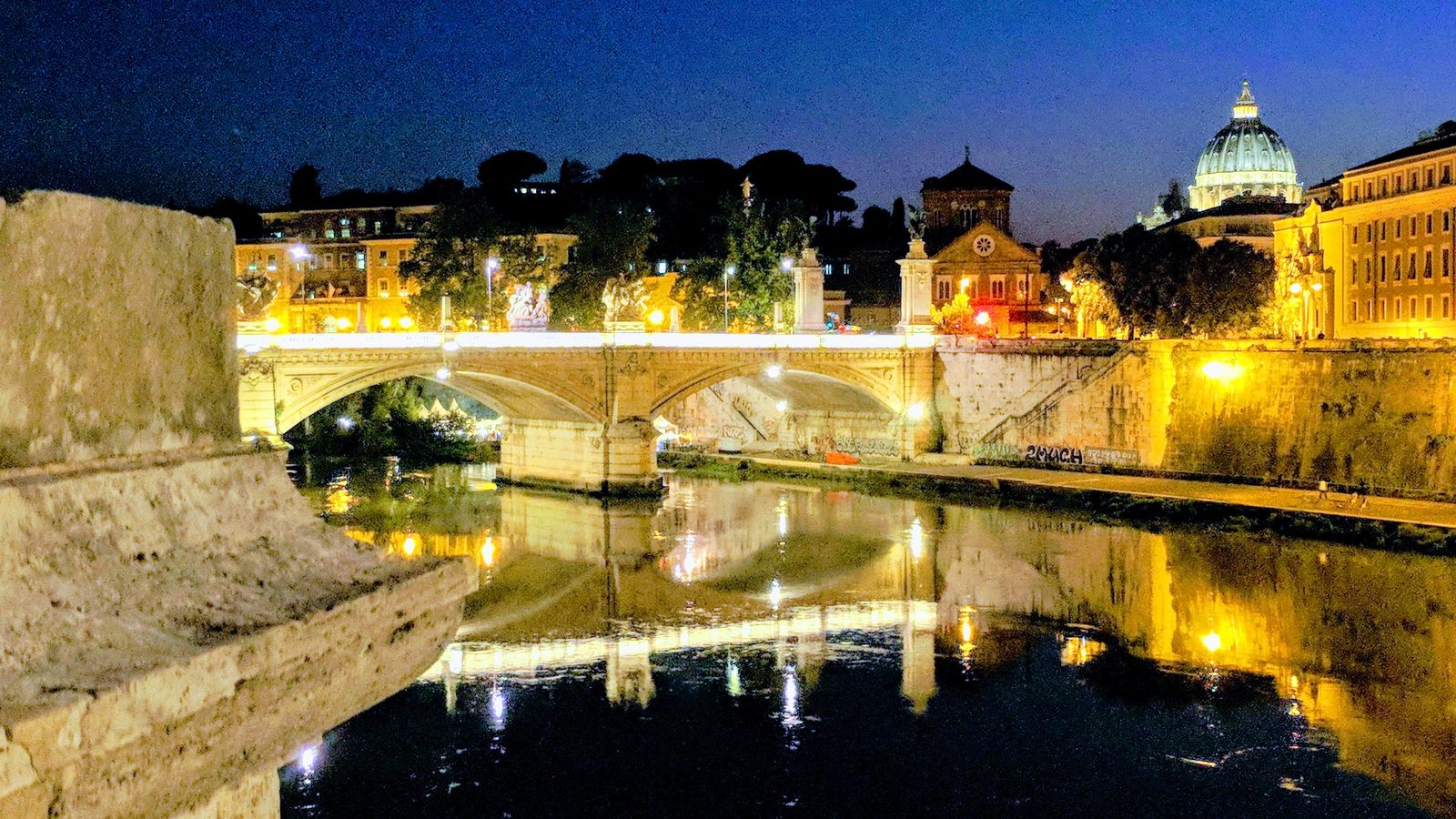
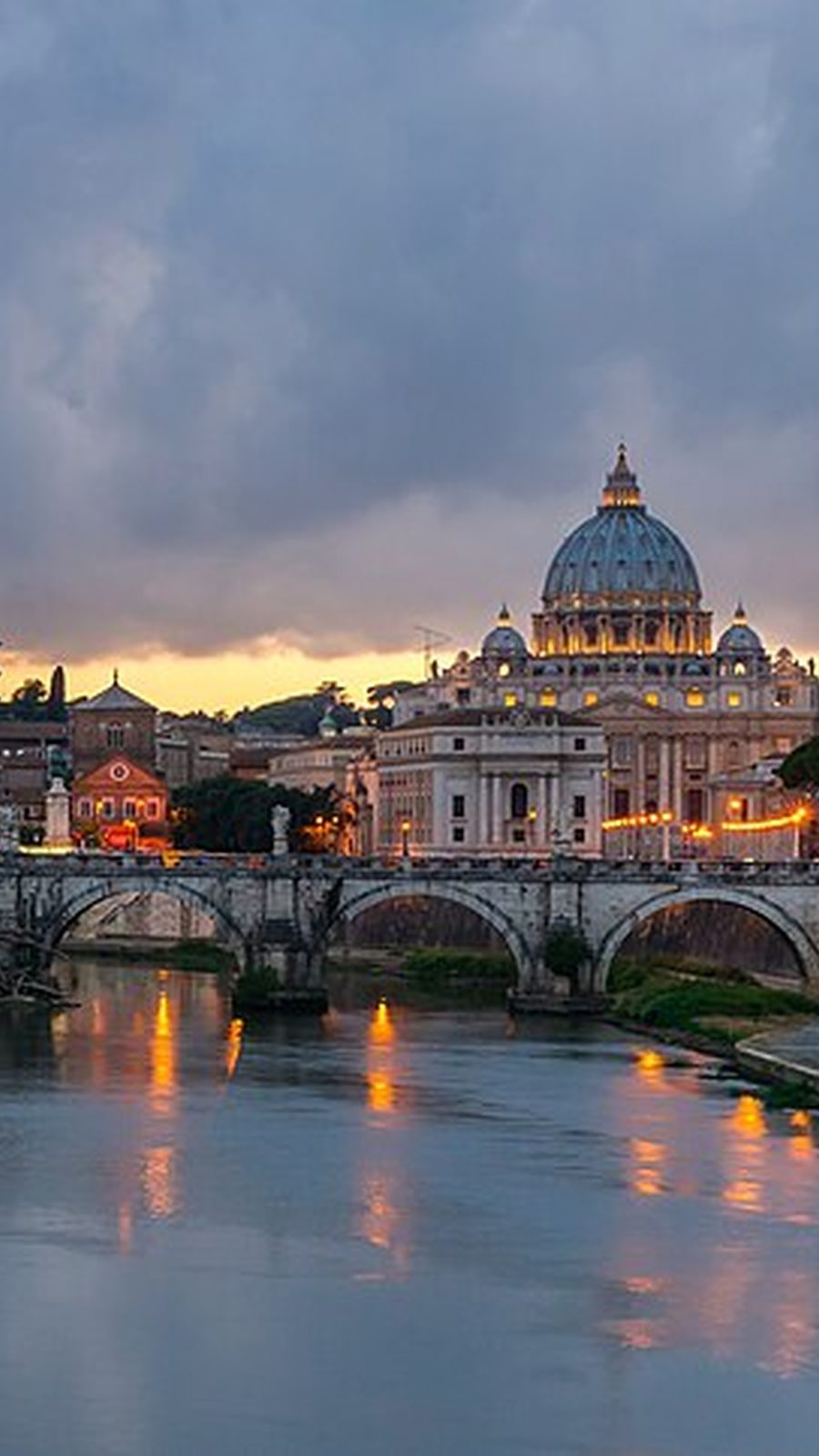
Lungotevere Promenade

Lungotevere Promenade

The tree-lined embankments that frame the Tiber today are surprisingly modern. After a catastrophic flood in 1870 — the year Rome became the capital of a united Italy — engineers raised the great travertine walls, the "muraglioni", and laid out the Lungotevere boulevards to stop the river ever drowning the city again. The work erased riverside neighbourhoods and the old port life, but gave Rome these long, calm walking avenues.

Ponte Sant'Angelo

Ponte Sant'Angelo

Hadrian built this bridge in 134 AD to carry visitors across the Tiber to his mausoleum; for centuries it was the principal route for pilgrims walking to St Peter's, and in the Holy Year of 1450 the crowds were so dense that the parapets gave way and scores drowned — a disaster that haunted the city's memory.

Piazza Cavour

Piazza Cavour

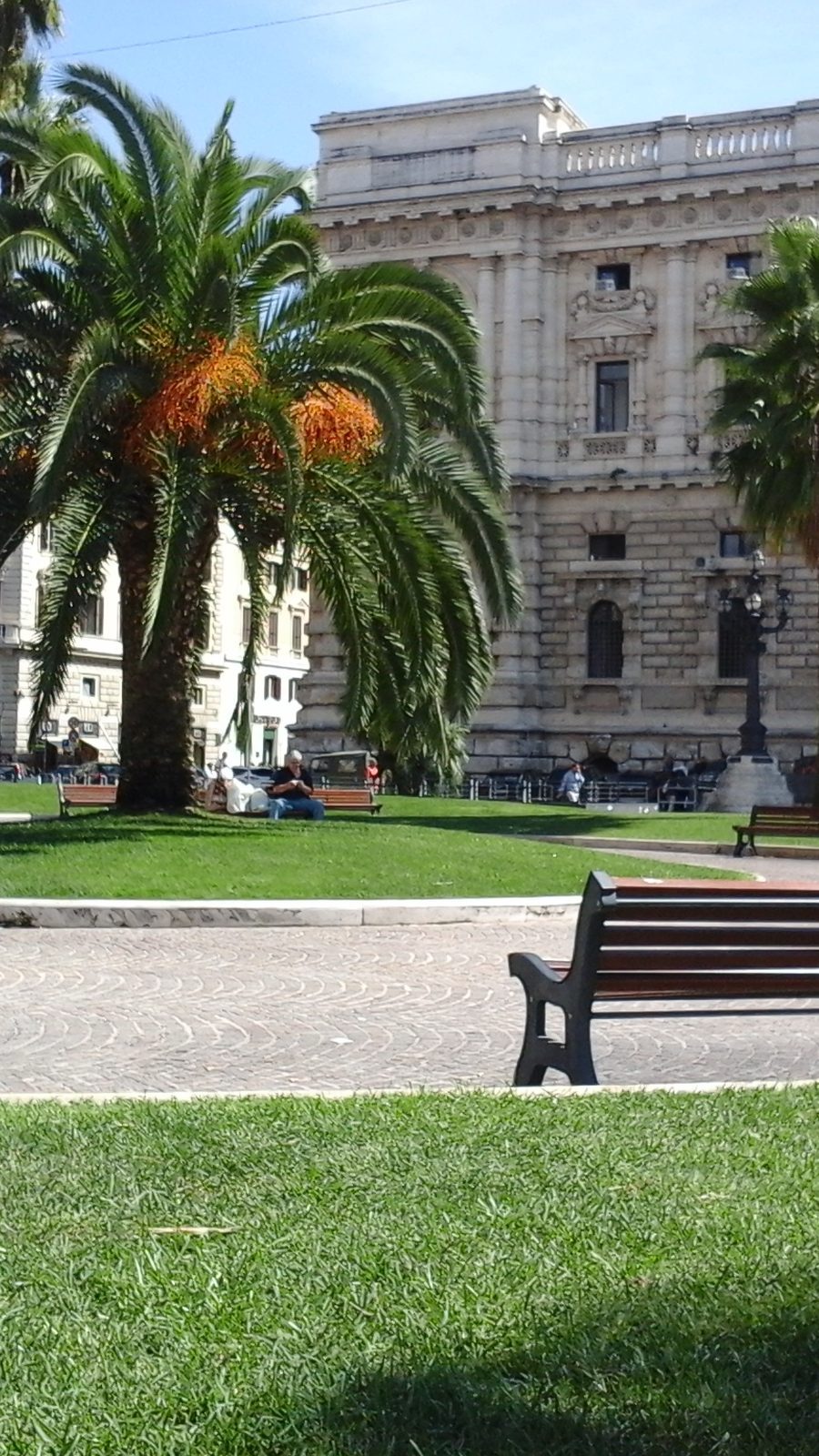
The green heart of Prati, Piazza Cavour is a grand umbertine square laid out at the end of the 19th century when this whole quarter was built from scratch as a modern residential district for the new capital's civil servants. Tall palms and plane trees shade a central garden watched over by a bronze monument to Camillo Cavour, the statesman who engineered Italian unification, after whom the square is named.

Il Palazzaccio (Palazzo di Giustizia)

Il Palazzaccio (Palazzo di Giustizia)

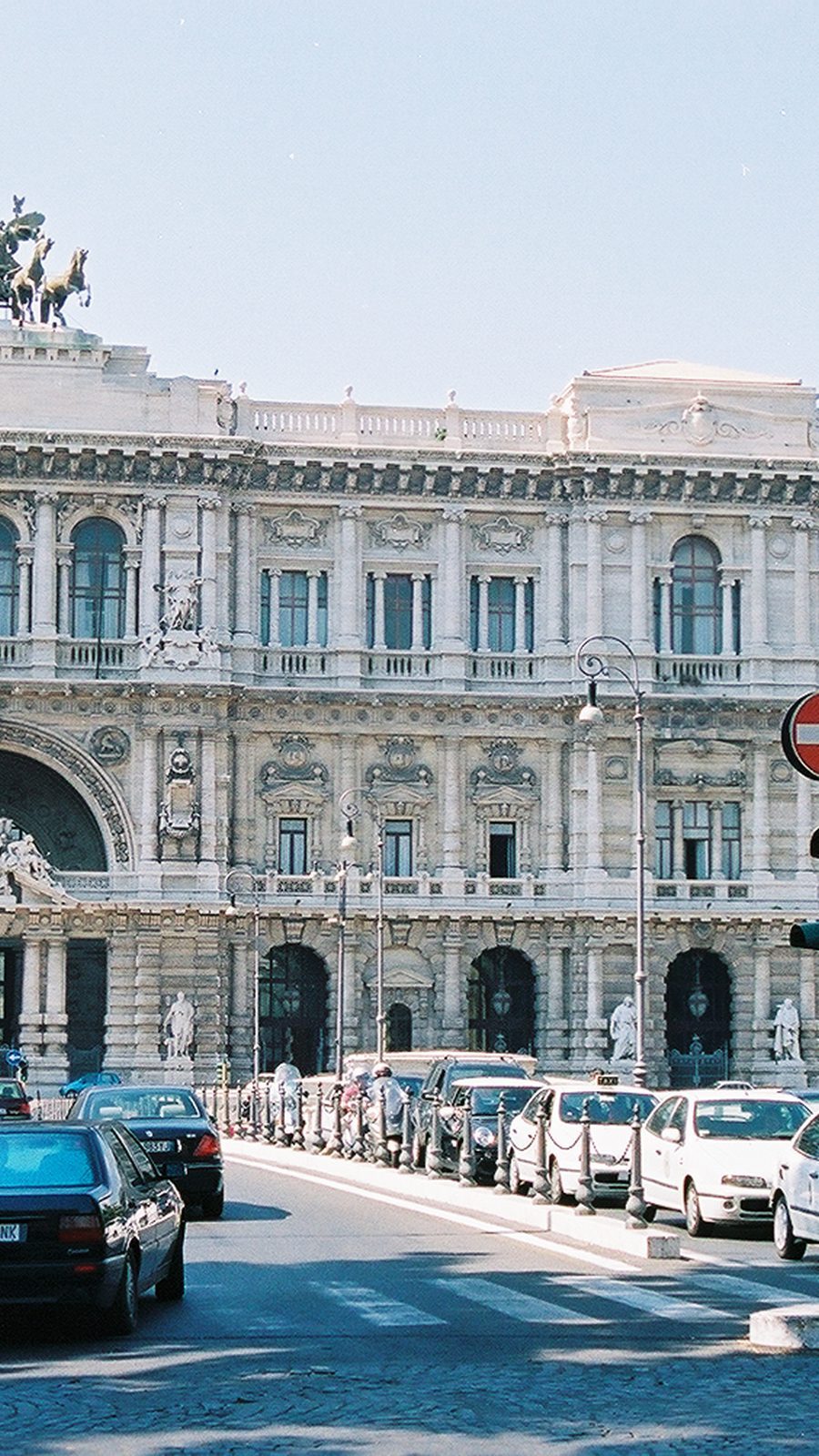
Built between 1888 and 1911 to house Italy's Supreme Court of Cassation, the Palace of Justice is one of the most monumental — and most mocked — buildings of the young capital. Its architect, Guglielmo Calderini, piled on travertine in an exuberant, almost overwhelming mix of Renaissance and Baroque motifs, crowning the river front with a colossal bronze four-horse chariot, the quadriga, and ranks of jurists' statues.

Some links below are affiliate links: if you buy a ticket we may earn a small commission, at no extra cost to you.

Local tips & flavours

  • Mercato Trionfale
  • Via Cola di Rienzo
  • Il Sorpasso
  • Castle ramparts at dusk

Open the Prati guide

Free web appWorks offline in Rome
GPS · maps · audio · 5 languages
Open the Prati guide

Explore more of Rome