🏛
RioneThe Living Map of Rome
Open the interactive guide
How to get around Rome: metro, taxis, e-bikes & boats
ROME · LIVING RIONI

How to move around Rome. Like a local, not a tourist.

Rome is a walking city that occasionally needs wheels. Here is when to take the metro, when to grab an e-bike, and what to know before you get into a cab.

Open the interactive guide

How to get around Rome: metro, taxis, e-bikes & boats

Metro, bus and tram

Rome’s metro is small — three lines — but it is fast, and it covers the distances that would otherwise eat an hour of your day. Buses and trams fill in the gaps. Tickets are validated on entry: tap a contactless card at the metro turnstile, or stamp a paper ticket on a bus. The same ticket works across metro, bus and tram for 100 minutes.
Taxis in the city: what to watch for

Roman taxis are white, licensed and metered. You cannot flag one down reliably in the street the way you would in London or New York: head for a taxi rank, call one, or — simplest of all — use an app.

FreeNow books the city’s official taxis and shows you an estimated fare before you confirm. Uber also works in Rome, but be clear about what it is here: Italian law does not allow the cheap ride-hailing model, so Uber operates as a licensed private-hire service. It does not undercut a taxi — expect to pay the same or more. What you get is a newer car and the familiar Uber flow: no cash, no haggling, a price fixed up front.

If you take a cab off the street, two things to watch. Cash change is the classic trick — some drivers hand back the wrong amount from a large note, so say out loud which note you are giving them and count what comes back. And card payment, though legally required, is often “unavailable”: the reader is “broken” or “has no signal”. Carry enough cash, or book through an app where payment is handled automatically.

E-bikes and e-scooters

In the central rioni — narrow lanes, slow traffic, half the streets one-way — a shared e-bike or e-scooter is often the fastest way to cover the last mile. Lime, Dott and Bird are dotted across the centre: unlock from an app, ride, and leave the vehicle at your destination. They work best for short hops the metro does not cover, from the Ghetto to Trastevere or across the Tiber to Prati.

A few things to know: helmets are recommended (and required for e-scooters at night), you cannot ride two-up, and the cobblestones are unforgiving — keep your speed down. Park in the marked bays and never leave a vehicle blocking a pavement or a monument.

The Tiber by boat, and the panoramic bus

A hop-on hop-off boat runs on the Tiber, dropping you at landing stages near the main monuments — a slower, quieter way to cross the centre, and a view of the city you will not get from the street. Above ground, the double-decker panoramic buses let you get your bearings between the big sights without deciphering the local bus network.

Passes worth buying

If you are staying a few days and plan to move around freely, a 72-hour transport pass combined with entry to one or two attractions is a genuinely good-value single purchase: unlimited travel, plus a couple of visits already included.

Book it

Affiliate links: if you book through them we may earn a small commission, at no extra cost to you. It is what keeps the app free and ad-free.

Inside the Rione app

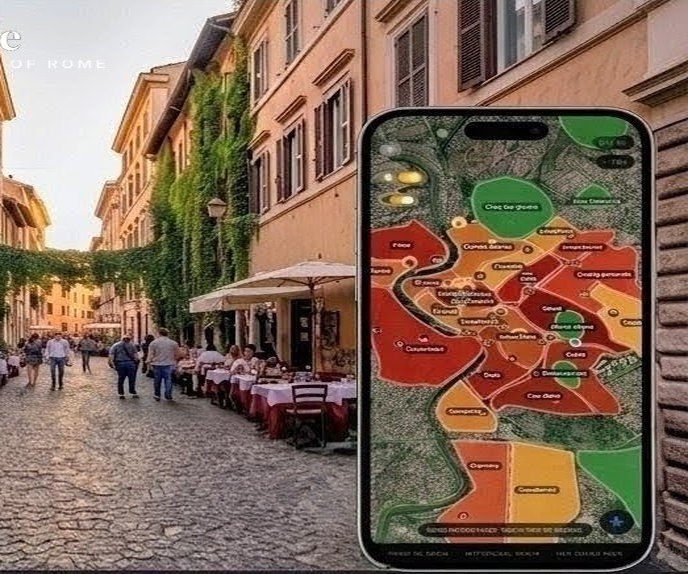
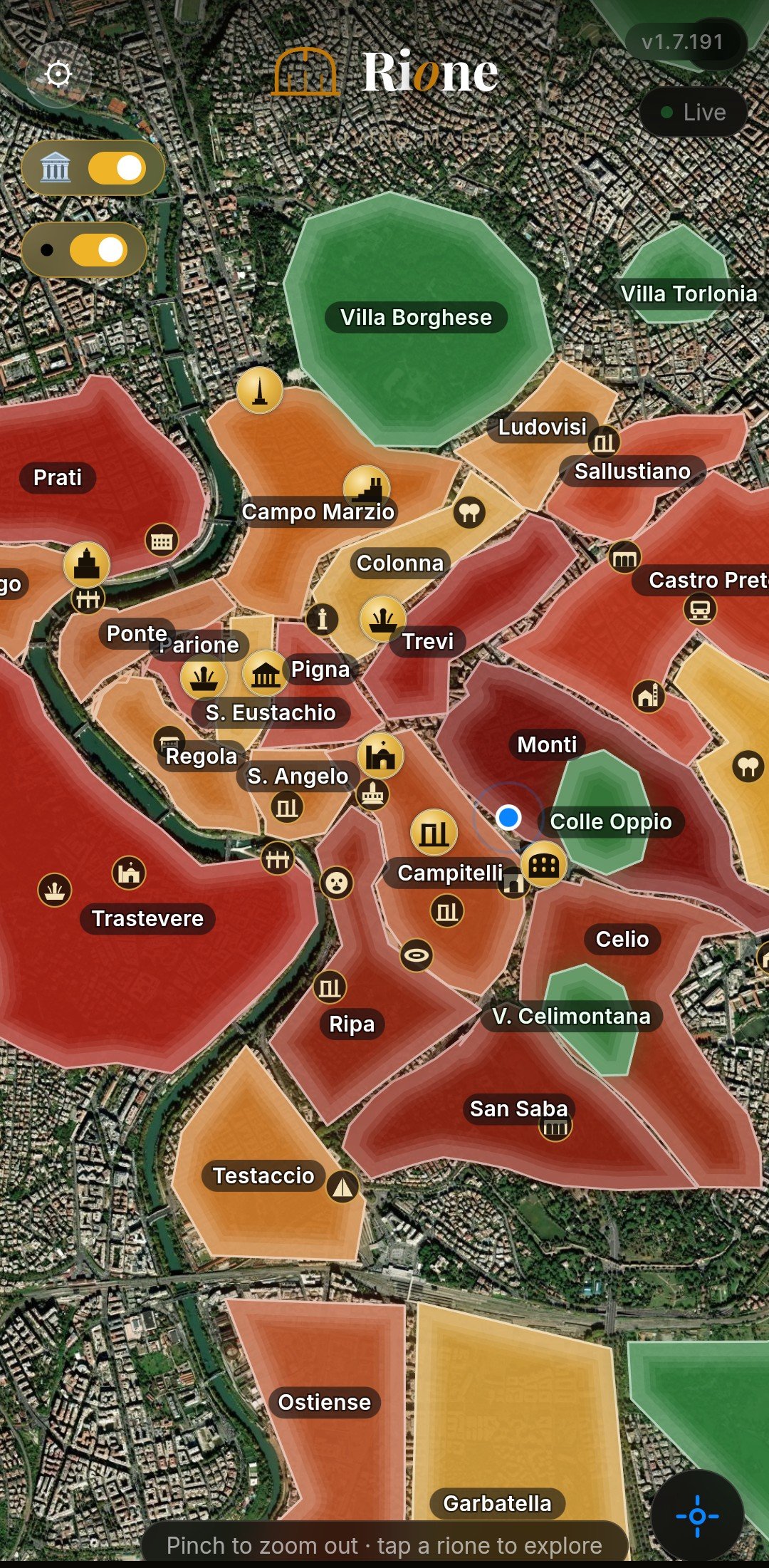
Interactive rioni map of Rome
GPS walking tour route

Custom rioni mapping

Dynamic, interactive boundaries of all of Rome’s historical rioni, colour-coded and tappable.

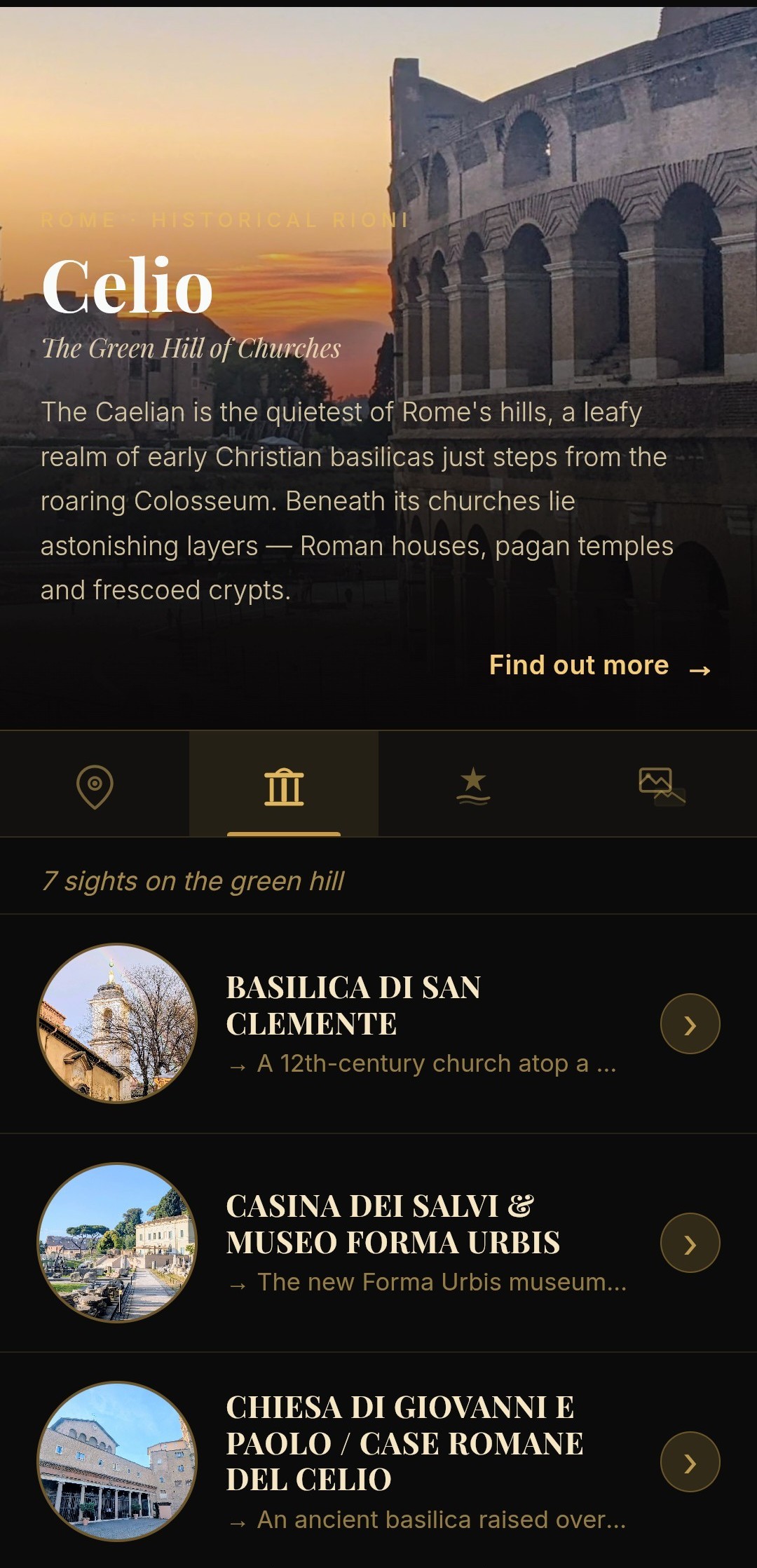
Rione guide with monuments and history
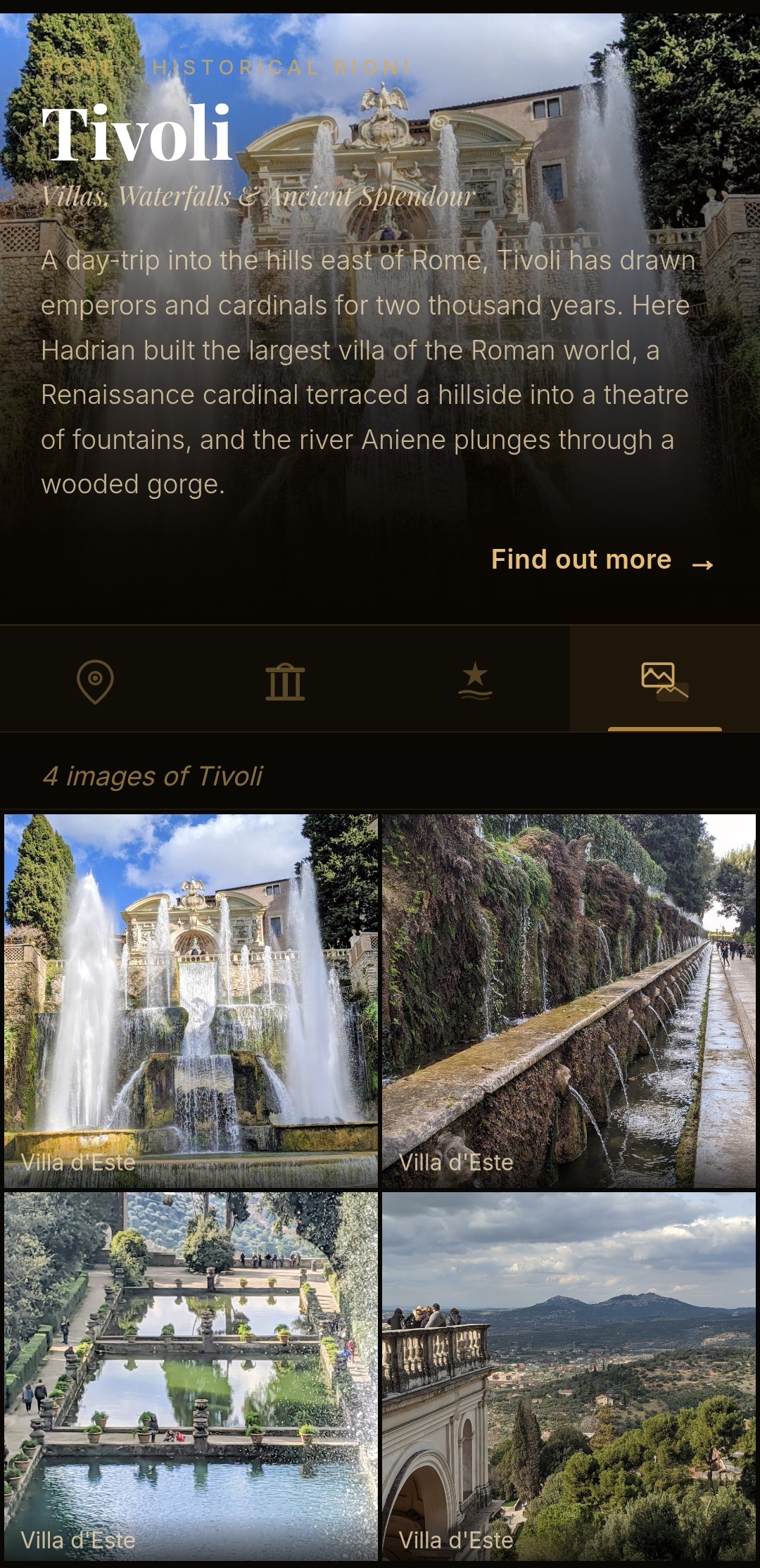
Photo gallery of a Rome day-trip

Authentic sights

Every monument with photos, history and the stories beneath the stones.

Open the interactive guide

Free web appWorks offline in Rome
GPS · maps · audio · 5 languages
Open the interactive guide

More practical guides

Explore more of Rome